
Heavy duty oil seals hold lubricating oil in and keep dust, water and grit out of the bearing chamber on shafts that work hard — gearboxes, tractors, rotavators, crushers, excavators and plant machinery. Built with tougher compounds and sturdier construction for machines where sealing failure is expensive.
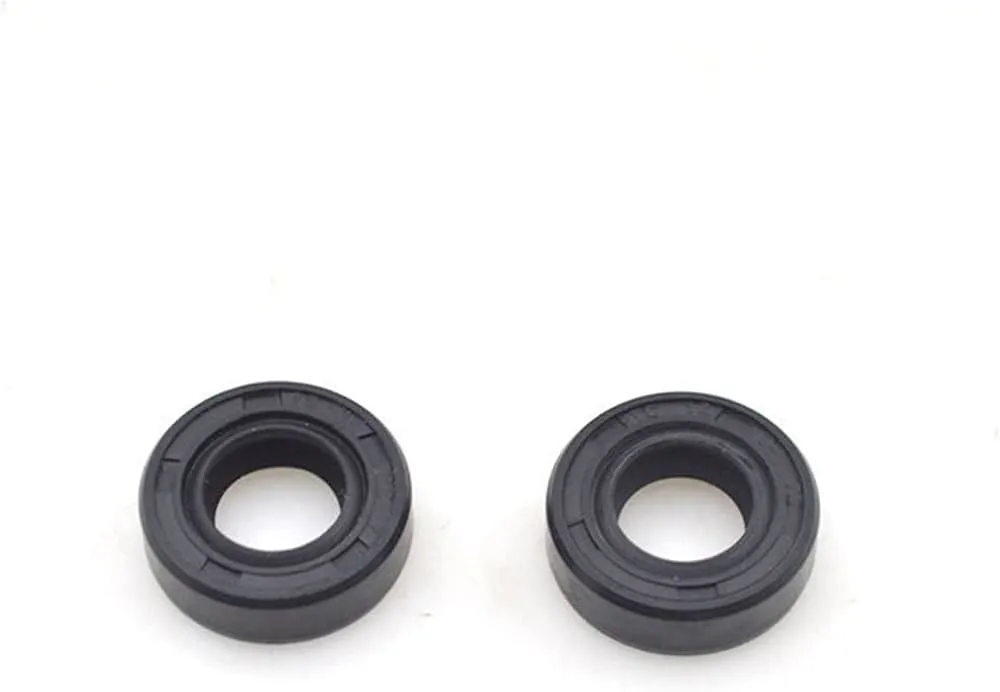
A heavy duty oil seal closes the gap between a rotating shaft and its housing on machines that work in punishing conditions. Fitted around the shaft, it holds lubricating oil or grease inside the bearing and gear chamber while blocking dust, water, mud and abrasive particles from the outside. That single function keeps bearings fed, shafts clean and machines running — which is why a small, inexpensive seal protects equipment worth many times its own price.
What separates a heavy duty seal from an ordinary one is not the shape — it is how the seal is matched to its working conditions. On a clean, slow indoor pump, almost any well-made lip seal will hold. On a rotavator gearbox caked in wet soil, a crusher drive running in abrasive dust, or an excavator swing gearbox taking shock loads hour after hour, the rubber compound, lip design and case construction decide whether the seal lasts a season or fails within weeks.
Operating conditions drive the selection. Continuous temperature, the lubricant being sealed, shaft speed, pressure and the level of contamination on site all point to a specific combination of material and construction — a metal-cased seal for a precise press fit, a rubber-covered outer for a worn or slightly damaged bore, a double lip where dust is constant. Size matters just as much: shaft diameter, housing bore and width must be right, because in sealing a tenth of a millimetre is the difference between fitting and failing.
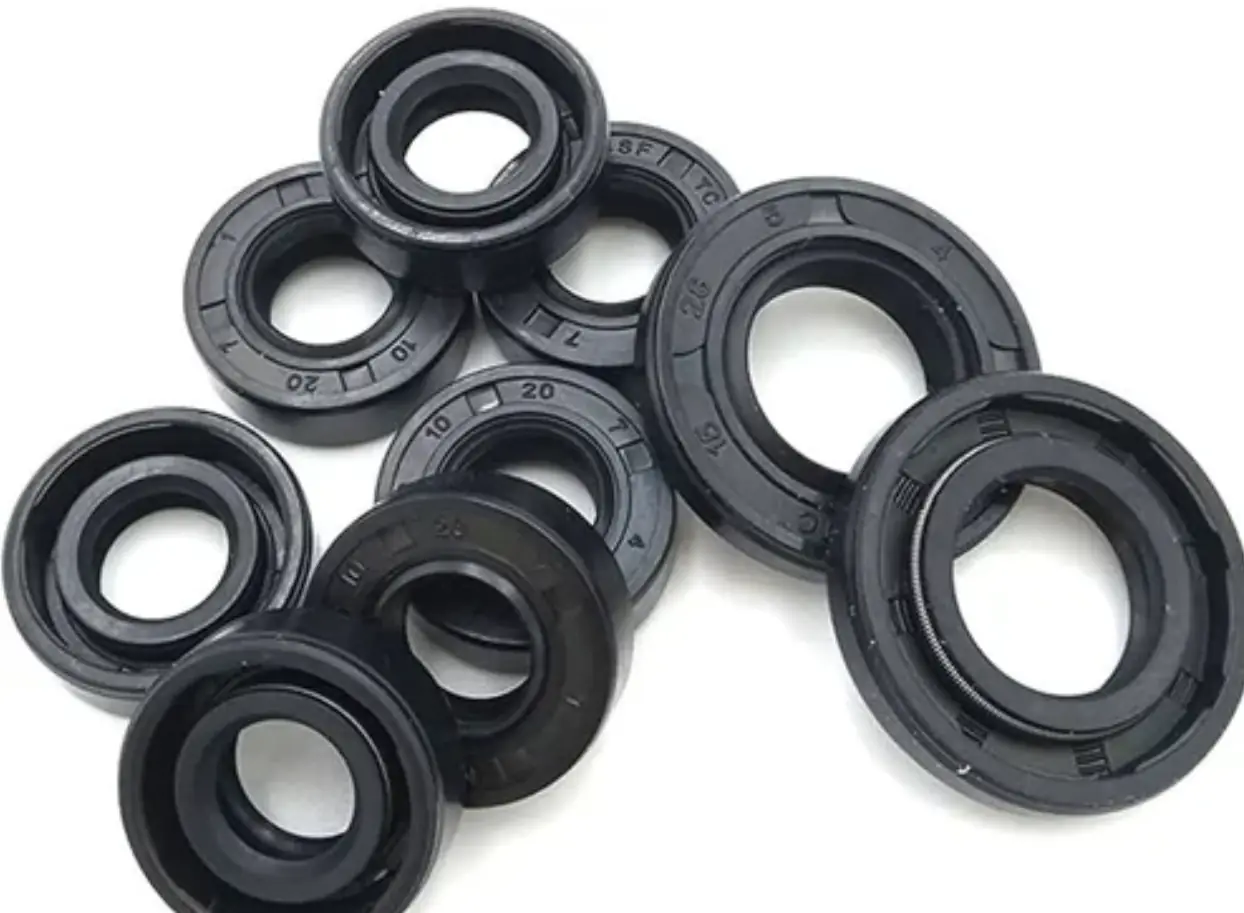
What a properly selected heavy duty seal does for a working machine.
A close-fitting, spring-loaded sealing lip keeps oil and grease inside the bearing or gear chamber, so lubricated components never run hungry.
The lip arrangement keeps dust, water, mud and metal particles out of the chamber — the priority on farm, mine and construction machinery.
Lip profile and garter spring pressure are balanced to hold fluid without dragging on the shaft, managing lip wear over long duty cycles.
Compounds are chosen against the fluid, temperature and duty the seal will actually see — NBR for general oil service, FKM for heat, PU for abrasion.
Seals are matched by shaft diameter, housing bore and width — from 25 mm shafts up to 440 mm — so the part seats correctly first time.
Pressed steel cases give rigidity and a precise press fit; full rubber coverings grip worn or corroded bores — selected per housing condition.
Single lip seals retain lubricant in cleaner environments; double lip designs add a second lip that rejects dust and moisture outdoors.
A practical range for maintenance teams replacing seals on gearboxes, pumps, axles, rotavators and other running machinery.
Share the machine, the old seal or the dimensions — product options are discussed against the machinery requirement, not just the closest size.
Different heavy machines ask different things of a seal. These are the constructions supplied for heavy duty applications — the right one depends on the housing, the environment and the duty.
Built for continuous rotation on gearboxes, motors and rotating equipment, with lip profile and spring pressure chosen for the shaft speed and surface. The workhorse of industrial shaft sealing.
For tractor axles, gearboxes, PTO shafts and rotavators that work in dust, mud and field moisture season after season — sealing that holds its lip where ordinary seals wash out. More on tractor oil seals.
For construction and mining machinery where shock loads, dust and heat separate a real seal from a soft one — excavators, loaders, crushers and heavy-duty gearboxes. Excavator oil seals.
A pressed steel case gives the seal structural rigidity and a precise press fit into the housing bore, with the sealing done by the rubber lip and garter spring. Ideal for sound, machined bores. Metal cased oil seals.
A full rubber covering grips the housing bore and tolerates slight bore damage, corrosion or surface porosity better than a bare metal case — useful when re-sealing older housings. Rubber covered seals are supplied based on application requirements.
One sealing lip for holding lubricant in — suited to general sealing duties where outside contamination is not the major concern, or where a secondary deflector already shields the seal.
An extra lip rejects dust and moisture from the outside while the primary lip retains lubricant — the preferred choice for dirty, wet or outdoor operating conditions on heavy machinery.
Non-listed sizes, lip arrangements and compounds can be discussed against requirement. Share your dimensions, a drawing or a sample — availability is confirmed before production.
Input, output and intermediate shafts of heavy gearboxes and transmission assemblies, where oil loss is noticed the hard way. Gearbox oil seals.
Sizes and lip designs vary by application. Oil seals are manufactured and supplied against requirement — share your shaft diameter, housing bore and width, or simply send the old seal, and the team will confirm what can be supplied.
Find your seal by part number, shaft diameter (ID), housing bore (OD) or width. Size format: ID × OD × Width (mm) — e.g. BW 30-50-10 = 30 mm shaft, 50 mm housing bore, 10 mm width.
Width variants (e.g. 8,10,12) share one listed rate. Listed rates are from the 1 January 2023 price list — confirm the current rate for your exact seal number before ordering. See the OD-based rate structure.
Heavy duty oil seal rates are priced mainly by outside diameter (OD): for a seal with OD between the listed limits, the rate shown applies. Width variants of the same part number share one rate.
Rates are per piece in INR, exclusive of GST and freight. Non-listed and custom sizes are quoted on request.
Wherever a heavily loaded shaft turns inside a housing — in the field, on site or on the plant floor — a heavy duty oil seal has a job to do.
Tractor axles, gearboxes and power take-offs, rotavator gear drives, threshers and harvesters — shafts that run in dust, mud and crop residue all season. Agricultural machinery oil seals · Rotavator oil seals
Industrial gearboxes and gear drives, pump shafts, electric motors and power transmission equipment running continuously on oil or grease. Industrial machinery oil seals · Pump oil seals
Excavators, loaders, cranes and earthmoving equipment — rotating assemblies working in grit, vibration and overloading where sealing quality decides bearing life. Excavator oil seals
Sealing on hydraulic pump drives and power transmission points of hydraulic equipment, where fluid cleanliness keeps the whole system healthy. Hydraulic oil seals
Crankshaft and shaft sealing on compressors and blowers running long hours — where oil loss is noticed on the floor before it is noticed on the gauge. Compressor oil seals
Crusher drives, conveyor heads, mixers and any rotating assembly where lubricant must stay in and contamination must stay out. Rotary shaft oil seals
Machine compatibility: suitability depends on the shaft, housing, operating conditions and product specifications — confirm compatibility by sharing the machine details and the old seal, not by size alone.
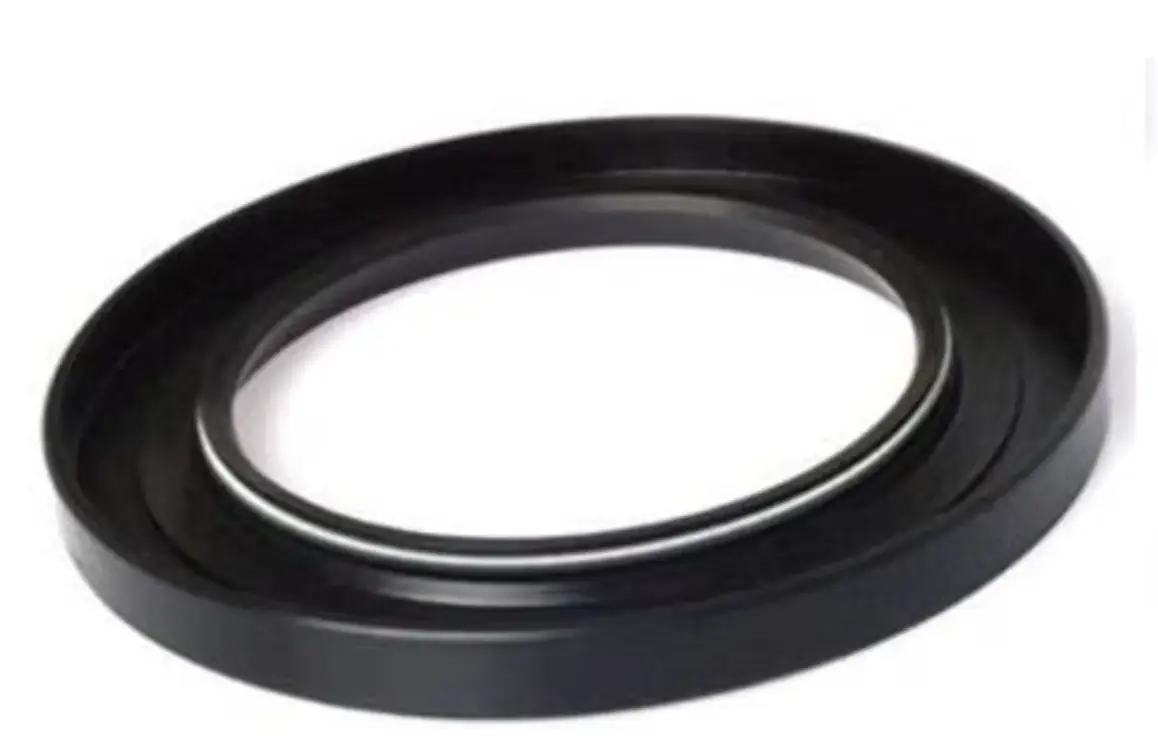
The rubber compound decides how a seal behaves in heat, oil and weather. Materials are selected against the application — temperature, lubricant, shaft speed, wear, dust and chemical exposure — not picked from a chart, and not every material is offered in every size.
The workhorse of oil sealing: excellent resistance to mineral oils, greases and fuels with a wide operating temperature range. NBR oil seals
Where heat and aggressive fluids beat NBR, FKM holds up — higher continuous temperature ratings and strong resistance to many industrial oils and chemicals. Viton oil seals
Stays flexible at very low and high temperatures for specific sealing duties, though its mechanical wear resistance is lower than other compounds. Silicone oil seals
High abrasion resistance and toughness for dusty, gritty heavy duty applications. PU oil seals
Pressed steel cases and bonded constructions give the seal rigidity and a precise press fit — see metal cased oil seals.
How material choice is made: continuous operating temperature, the fluid being sealed, shaft speed, weather and dust exposure, and the duty cycle. Tell us the application and we will confirm a suitable compound.
The correct size is normally identified by ID, OD and width — then the working conditions decide the material and lip design. Check these factors before you order.
The outside diameter of the rotating shaft sets the seal's inner dimension. Measure with a caliper, not by eye — and check for wear grooves at the sealing point.
The housing bore and depth decide the seal's outer diameter and width. A loose outer fit lets the seal spin; an over-tight one distorts the lip.
Match the width to the housing groove depth so the seal seats square and flush — the third number in the size format.
Faster rotation builds lip friction and heat. High-speed shafts need lip profiles and surface finishes matched to the rpm.
Continuous temperature — not just peaks — decides which rubber compound will hold up in gearboxes, engine bays and drives near heat sources.
Engine oil, gear oil, grease or hydraulic fluid each swell different rubbers differently. The seal material must suit the fluid it will live in.
Most oil seals are designed for little or no pressure difference. Where pressure exists — pump chambers, gear pumps — the design must account for it.
Dusty sites and outdoor duty may need a double lip design that also excludes grit from the outside, not just one that holds oil in.
Oil resistance, heat resistance and hardness vary across compounds — NBR, FKM, silicone, PU. Share the application and a suitable compound is confirmed.
The markings on the old seal or the machine details are the fastest route to the correct replacement — include them in your enquiry.
No slogans — just the way we prefer to work with every buyer.
A machinery components manufacturer based at West Sant Nagar, Burari, Delhi — reachable, accountable, and close to the industrial belts of Delhi NCR.
A deliberate focus on rubber oil seals that protect rotating shafts, and V belts that move power reliably — focus, not a general trader's catalogue.
We ask what the machine does, where it runs and what broke last time — then recommend from there, instead of selling whatever is on the shelf.
Help identifying a failed seal from its markings, dimensions, a photo or a sample — in plain language, from people who know machines.
Shaft, bore, width, profile — we confirm the numbers before production or dispatch, because in seals a tenth of a millimetre matters.
Reachable on WhatsApp and phone during working hours, with replies that arrive in hours rather than days — and straight answers on sizes and materials.
Ananta Venture supplies heavy duty oil seals to industrial customers, OEMs, machinery manufacturers, dealers, distributors, maintenance teams, replacement parts buyers and wholesale buyers.
Product sizes and part numbers from the catalogue on this page, application requirements, availability and pricing — share your size list, drawing or the old seal, and the team confirms what can be supplied before production or dispatch.
Send your requirement by phone, WhatsApp or email with quantities and target dates. Rates for volume requirements are discussed against the actual size list and specification — no hidden conditions, and current pricing is always confirmed before you commit.
Short answers to the questions buyers ask most often.
Heavy duty oil seals seal rotating shafts in demanding machinery — gearboxes, axles, rotavators, crushers, excavators and other industrial equipment. They hold lubricating oil inside the housing and keep dust, water and abrasive particles out, protecting the shaft and bearings.
Heavy duty oil seals are built for harsher duty — shock loads, dust, heat and continuous operation. They typically use tougher rubber compounds, sturdier cases and lip designs suited to contaminated, high-load environments, where a standard light-duty seal may wear out quickly.
The catalogue on this page lists 629+ part numbers with shaft diameters from 25 mm up to 440 mm, housing bores up to 480 mm and a range of widths. Sizes are stated as ID × OD × Width in mm, and non-listed sizes can be discussed with the team.
Measure the shaft diameter (seal ID), the housing bore (seal OD) and the seal width with a caliper. Size is written as ID × OD × Width in mm — for example, 60 × 80 × 10 mm means a 60 mm shaft, 80 mm housing bore and 10 mm width.
Listed rates are priced mainly by outside diameter — for example, seals with an OD of 60–65 mm were listed at ₹46 per piece and OD of 100–105 mm at ₹86 per piece in the price list dated 1 January 2023. These rates are indicative; confirm current pricing for your exact part number with Ananta Venture.
Yes. Tractors, rotavators, threshers and harvesters run in dust, mud and field moisture, and their gearboxes, axles and PTO shafts rely on heavy duty oil seals to keep lubricant in and contamination out.
NBR (nitrile rubber) suits most mineral oils and greases and is the common general-purpose compound. For higher temperatures or aggressive fluids, FKM (Viton) is specified, and polyurethane offers high abrasion resistance in dusty, gritty conditions. Material is selected against the application.
Check the markings on the old seal or measure the ID, OD and width. Sharing the part number, dimensions, machine details or a photo of the old seal with Ananta Venture helps confirm the correct replacement before ordering.
Yes. Ananta Venture supplies workshops, dealers, OEMs and maintenance teams, and bulk or wholesale enquiries are discussed against your size list, quantities and application details. Contact the team with your requirement for current rates.
Search the size catalogue on this page by part number, ID or OD, then confirm price and availability by phone or WhatsApp at +91 9211305366, or by email at [email protected]. The team confirms current stock and pricing before dispatch.
Search the catalogue above, then confirm current price and availability with our team. We confirm sizes and specifications before production or dispatch — and we answer enquiries properly.