Application-specific dimensions
Seals are matched to your pump's shaft diameter, housing bore and width, so the part seats properly first time — the fit that prevents both spin-out and lip distortion.

Water pump oil seals close the gap where the rotating shaft enters the pump housing — helping control lubricant loss where the sealing arrangement calls for it, and keeping water, dust and grit out of the bearing chamber. Fitted correctly, one small rubber component protects the bearings and shaft that keep the whole pump running.
Every pump seals differently. The right seal for your application depends on the pump model, shaft dimensions, operating conditions, the pump's sealing arrangement and material compatibility — which is why we confirm the specification with you before quoting, not after.
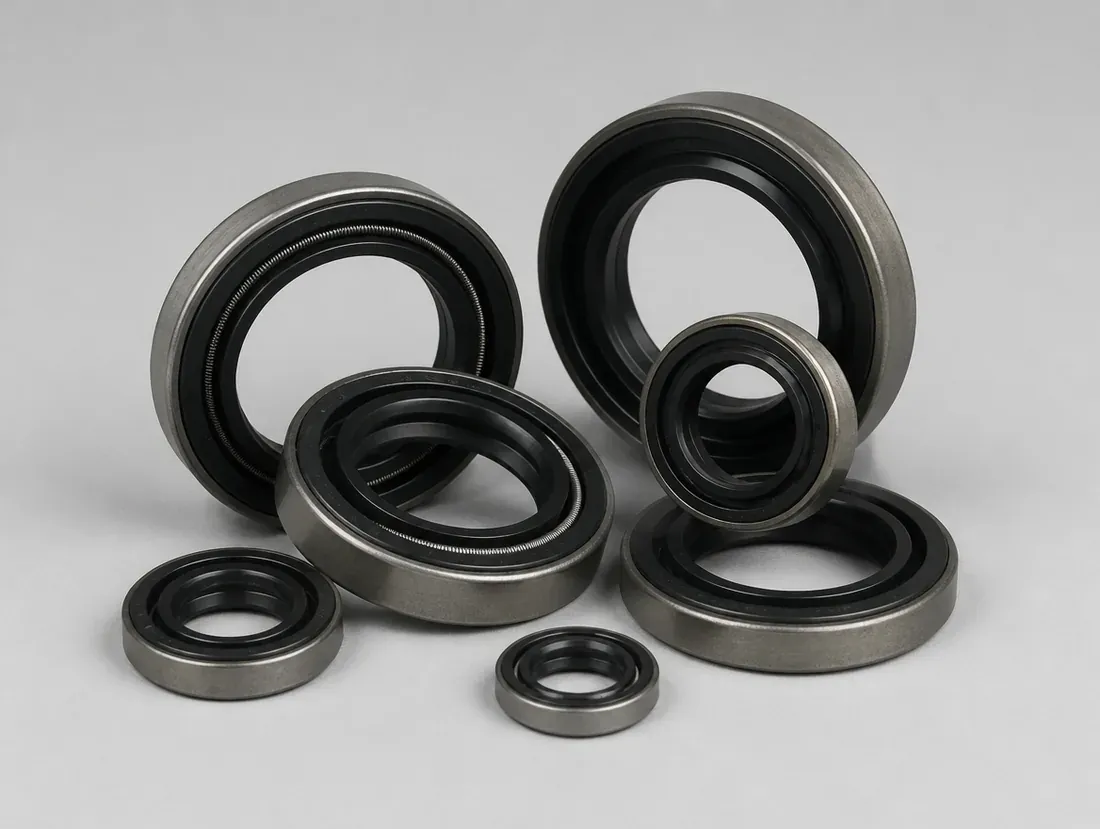
A water pump oil seal is a radial shaft seal seated in the pump housing at the point where the rotating shaft passes through it. Its sealing lip rides on the shaft surface (or on a replaceable sleeve) with a thin, controlled film of lubricant between the two — retaining oil or grease in the bearing chamber where the design requires it, and holding water, dust and abrasive particles out of the assembly.
When the dimensions and installation are correct, the seal presses evenly into the housing bore, the garter spring (where fitted) holds a consistent lip load against the shaft, and the sealing interface stays stable through hours of running. Get any of these wrong — an undersized or oversize bore fit, a damaged shaft surface, a lip installed dry or reversed — and the seal can leak or wear out early no matter how good the rubber compound is.
Material selection matters just as much. The elastomer must tolerate the fluid it sits in, the operating temperature at the sealing face, the shaft speed and the pressure conditions of the pump. A compound chosen for a clean, cool circulating pump can be the wrong choice for a hot, gritty agricultural pumpset.
That is why application-specific selection comes first: tell us the pump model and its duty, or share the old seal, and we help you confirm the correct type, size and material before you order.
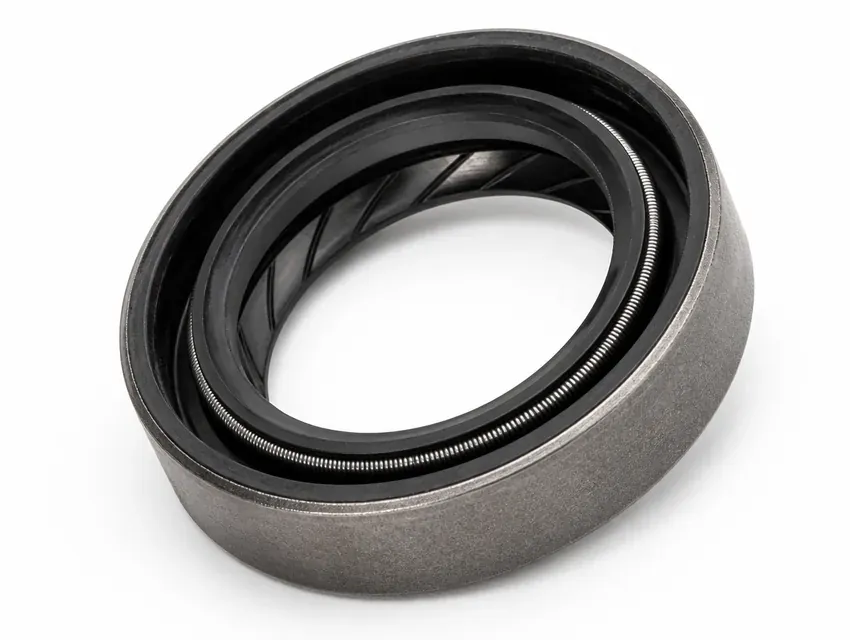
What a correctly specified and correctly installed seal does for a pump assembly — in practical terms.
Seals are matched to your pump's shaft diameter, housing bore and width, so the part seats properly first time — the fit that prevents both spin-out and lip distortion.
Compounds are discussed against your fluid and temperature, subject to availability for your size — so the seal you receive is specified for the duty it will actually see.
Lip design and spring load are matched to the shaft it runs on, protecting the sealing interface instead of dragging dry on the shaft surface.
The compound is selected for the operating fluid and temperature range you confirm — the conditions that decide whether a seal holds up or ages early.
A properly sized, properly seated seal helps control lubricant loss and contamination ingress over time — protecting the bearings behind it from running hungry or dirty.
From a single replacement seal for a workshop repair to quantities for plant maintenance, sizes can be matched from your sample, drawing or old part.
Different pump designs ask for different sealing components. These are the options commonly discussed for water pump duties — availability for your specific pump is confirmed before ordering.
Conventional rotary shaft seals with a rubber sealing lip and, typically, a metal case and garter spring. Suitable where the pump's design calls for a standard lip seal at the shaft exit and the duty matches the compound.
Seals matched to the pump's actual shaft size and housing bore. Because pump shafts vary widely between makes and models, dimensions are confirmed against the pump drawing or the old seal.
Maintenance and replacement requirements are a large part of pump sealing. Send the old seal, its markings or a photo on WhatsApp and we help identify the replacement — size, lip type and material.
Larger sections and sturdier constructions for circulating systems and process pumps running for long shifts, where consistent lip load and heat ageing resistance matter.
The Ananta range covers NBR, FKM (Viton), silicone, EPDM, PTFE, polyurethane and neoprene constructions. The compound is chosen against the fluid, temperature and speed of your pump — not assumed.
Where a pump uses a mechanical seal or a dedicated water seal rather than a rotary oil seal, we say so plainly and help you identify the correct component before you order.
Important: a standard rotary oil seal is not suitable for every water pump. Some pumps use dedicated water seals, mechanical seals or combined sealing arrangements. Identify the sealing technology in your pump — from its manual or the old part — before ordering.
Where oil seals are used around pump shafts, subject to seal design and compatibility with each duty.
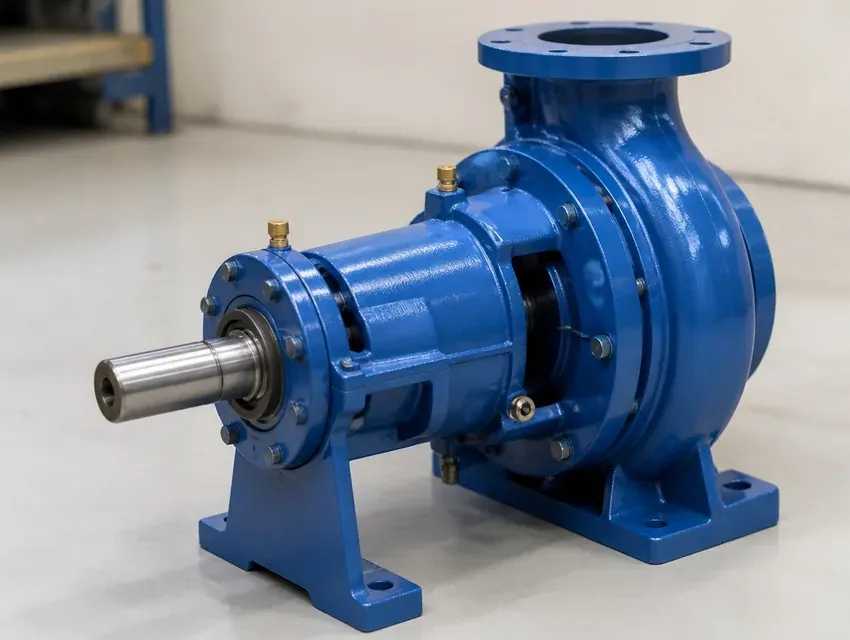
Sealing the shaft exit of pump housings on plant and process equipment, where the sealing position retains lubricant and excludes wash-down contamination.
Circulating and transfer pumps that run long shifts need a stable sealing interface at the shaft — with lip load and compound matched to continuous running.
Pumpsets and farm water systems work in dust, weather and intermittent duty. Sealing requirements here focus on contamination exclusion and compound robustness.
Builders' pumps, dewatering sets and commercial equipment each place their own demands on shaft speed, pressure and exposure — confirmed before selection.
Worn seals are among the most common pump maintenance items. Replacing with a correctly matched size and material restores the intended sealing arrangement.
Motor-pump assemblies seal at more than one point — the pump chamber and the motor bearings each have their own requirements and components.
Compatibility matters: not every seal is suitable for potable water, high-pressure systems, high-speed shafts or continuously submerged operation. Describe the actual duty when you enquire and we confirm suitability before recommending.
General engineering guidance on the elastomer families most often considered for pump sealing duties. Material suitability always depends on the fluid, temperature, pressure, shaft speed and seal construction of the specific pump.
| Material | General characteristics | Potential applications | Important selection considerations |
|---|---|---|---|
| NBR (nitrile) | Good resistance to mineral oils, greases and fuels; good mechanical strength; economical general-purpose compound. | Lubricant-retention positions on pump shafts and bearings where the compound suits the conditions. | Water suitability depends on the specific compound and operating conditions; confirm hot-water and additive exposure before selecting. |
| EPDM | Excellent resistance to ozone, UV and weathering; performs well in hot water and steam duties. | Water-based duties such as circulating water, condensate and wash-down environments. | Generally unsuitable for petroleum oils and greases — never combine with oil-lubricated chambers without expert confirmation. |
| Silicone (VMQ) | Stays flexible across a very wide temperature range; stable at both low and high extremes. | Temperature-sensitive duties where wide thermal cycling, rather than heavy mechanical load, dominates. | Lower mechanical wear resistance than other compounds; confirm fluid compatibility and shaft speed before specifying. |
| FKM (Viton) | High continuous temperature capability; strong resistance to many industrial oils, fuels and chemicals. | Hot, chemically demanding duties where NBR would age or swell unacceptably. | Not automatically the best option for every water pump — specific FKM compounds vary in hot-water performance; confirm the duty first. |
Note: these are general material-selection considerations, not a declaration that every material is available for every size. Confirm compatibility with the actual fluid, operating temperature, pressure, shaft speed and seal construction before purchase — share the details with us and we will confirm a suitable, available compound.
Pump seals are not one-size-fits-all. Dimensions must be confirmed against the pump model, its drawing, or the existing seal — here is how buyers identify the correct size.
If you are unsure about any value, send us the old seal or a photo of it and the pump nameplate on WhatsApp — we work the dimensions out with you and confirm what can be supplied.
| Specification | Details |
|---|---|
| Product | Water Pump Oil Seals |
| Dimensions | Confirm according to the pump drawing or existing seal |
| Material | Based on application requirements and confirmed availability |
| Design | Based on the pump's sealing arrangement |
| Operating conditions | Confirm before selection |
| Custom requirements | Subject to technical review and manufacturing capability |
Seal pricing is quoted against the actual requirement — the same pump duty can call for very different components. These are the factors that shape the final price.
To receive an appropriate quotation, share your required size, the pump model or the details of the existing seal — dimensions, material if known, application and quantity. An indicative oil seal price list is available on our oil seals page; confirm the current rate for your exact seal before ordering.
A practical, safety-conscious sequence for maintenance teams replacing a pump shaft seal. These are general guidelines — the pump manufacturer's service documentation always takes precedence.
Confirm what type of sealing component the pump actually uses — a rotary oil seal, a dedicated water seal or a mechanical seal — before sourcing a replacement.
Disconnect the drive from its power source, lock out the starter and release any stored pressure or fluid before opening the pump.
The manual specifies the correct component, tolerances, tools and installation procedure for your pump — follow it over any generic guidance.
Note the old seal's markings, and check the shaft surface and housing bore for wear grooves, scoring or corrosion that would defeat a new seal.
Match shaft diameter, bore, width, lip design and compound to the pump's requirements — or to the old seal if it was performing correctly.
Fit the seal square to the bore, protect the lip during installation and lubricate as specified — a dried-out or cocked lip fails early.
Run the pump as the manual directs and observe the sealing point for leaks, heat or vibration before returning the equipment to service.
Before you order: some water pumps require a mechanical seal or a dedicated water seal rather than a conventional rotary oil seal. Where the repair involves high pressure, hot fluids or critical equipment, use qualified maintenance personnel. This guide does not substitute for the pump manufacturer's service documentation.
Ananta Venture is a Delhi-based manufacturer of rubber oil seals and V belts for industrial, automotive, agricultural and heavy machinery applications. Here is what working with a technically informed supplier looks like.
Share the pump model, the old seal or a photo — we work out the shaft, bore and width dimensions and the lip type with you before quoting.
We ask what the machine does, the fluid it pumps and the conditions it runs in — because the answers change which seal is actually right.
From a sample, a part number or a nameplate photo, we help match the size and confirm a compound suited to the duty, subject to availability.
Straight answers on what a seal can and cannot do — including telling you when your pump needs a different sealing technology altogether.
Rates are worked from your real dimensions, quantities and delivery needs — with sizes and availability confirmed before dispatch.
Call or WhatsApp during working hours, Monday to Sunday — or walk in with the old seal at our Burari, Delhi works and we match it while you wait.
A short checklist to have ready before you enquire. Accurate information reduces specification errors and unnecessary replacement delays.
Not every buyer has every answer — that is normal. Share what you have, including photos of the old seal or pump nameplate, and we help complete the specification. Providing accurate information up front is the fastest route to the right seal.
Short, direct answers to the questions buyers ask most about sealing pump shafts.
Water pump oil seals are radial shaft seals fitted around the pump's rotating shaft where it passes through the housing. They are designed to help control leakage of lubricant from the bearing chamber and to keep water, dust and other contaminants out of the pump assembly. The exact duty a seal performs depends on the pump's sealing arrangement, so the correct type must be confirmed for each pump design.
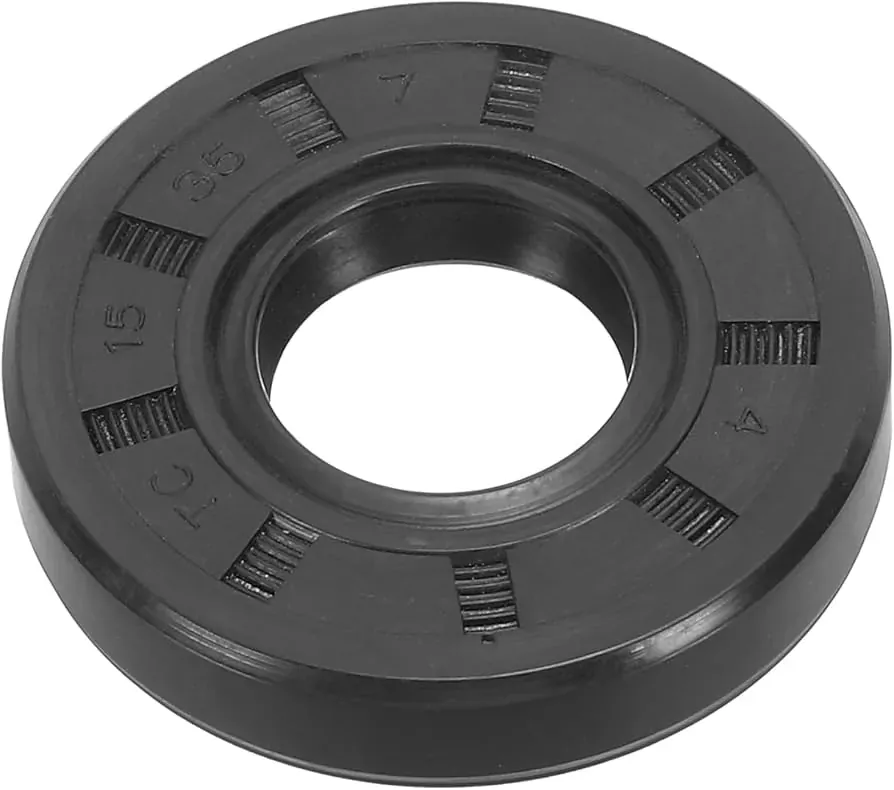
Measure the shaft diameter, housing bore and seal width of the existing seal, or check the pump manufacturer's drawing or service manual. Share these three dimensions along with the pump make and model, the fluid and the operating temperature — the team at Ananta Venture can then confirm a suitable seal or match one from your old seal or sample.
Common elastomer families include NBR for general oil and grease sealing, EPDM for many water-based applications, silicone for wide temperature ranges and FKM (Viton) for higher heat and chemical resistance. Material suitability depends on the fluid, temperature, pressure and shaft speed, and availability of a specific compound is confirmed with the supplier before ordering.
No. Pumps differ in sealing arrangement: some use conventional rotary oil seals, while others require mechanical seals, dedicated water seals or combined seal designs. The pump's service documentation should be checked, or the old seal inspected, before ordering so the correct sealing technology and size are identified.
Price depends mainly on the seal dimensions, the elastomer compound, the seal profile and construction, the order quantity and any special requirements such as tooling or development for non-standard sizes. Availability and delivery needs can also affect the final quotation, so sharing exact sizes and quantities gives the most accurate price.
Remove and inspect the old seal and note any markings on it, then measure the shaft diameter, housing bore and seal width. A photo of the seal or the pump nameplate, shared on WhatsApp, is usually enough for the supplier to identify the replacement and confirm the material and lip type.
Yes. When correctly sized and specified for the fluid, temperature, pressure and shaft speed, oil seals are used in industrial water pump assemblies, water circulation systems and motor-driven pump sets. For high-pressure or continuously submerged positions, the pump's sealing arrangement should be reviewed before selecting a conventional oil seal.
It depends on the pump's design and duty. Conventional rotary oil seals suit many lubricant-retention positions on slower, low-pressure shafts, while mechanical seals are precision face seals used where leakage must be minimal, typically on pumps moving water and process fluids under pressure. The pump manufacturer's documentation is the deciding reference; a supplier can help identify the correct component once the sealing arrangement is known.
Ananta Venture is a Delhi-based manufacturer of rubber oil seals for industrial, automotive, agricultural and machinery applications, including sealing for pump shafts. Buyers across Delhi NCR and the rest of India can call or WhatsApp +91 9211305366 with sizes, a sample or pump details to receive specification and pricing support.
Whether you are an industrial buyer, a maintenance team, a distributor or an equipment buyer — share your pump model, seal dimensions, application details and quantity, and we will help you confirm the specification before you commit to an order.
Ananta Venture · Plot No.2, 1st Floor, Street No.7, A Block, West Sant Nagar, Burari, Delhi · Open Monday to Sunday · Contact page