Ananta Venture · Delhi
Oil Seals Manufacturers in India
Precision rubber oil seals that keep lubricant in, contamination out, and rotating shafts running across industrial, automotive, agricultural and heavy machinery.

Indicative per-piece rates for Blowsom oil seals — effective from 1 January 2023. Search your seal number or shaft size below, then confirm stock and current price with our team.
Rate by outside diameter (OD) range — mm. For a seal with OD between the listed limits, the rate shown applies.
Seal number format: ID–OD–Width in mm (e.g. BW 30-50-10 = 30 mm shaft, 50 mm OD, 10 mm width). Variants of width share one rate.
Large-diameter seals sized in millimetres to suit inch-based equipment.
Rotavator and tractor oil seals by brand and application.
| Tractor / Brand | Application | Seal No. (ID–OD–Width, mm) | Rate per pc. |
|---|---|---|---|
| Shaktiman | Input seal | BW 30-35-123 | ₹55.00 |
| Shaktiman | RD axle 6311 | BW 80-100-16 MR | ₹150.00 |
| Shaktiman | RD axle 6309 | BW 65-85-16 MR | ₹140.00 |
| Shaktiman | Jack shaft | BW 55-80-8 | ₹60.00 |
| Shaktiman | Gear box | BW 35-80-10 | ₹60.00 |
| Shaktiman | Gear box | BW 35-85-10 | ₹65.00 |
| Shaktiman | PTO seal | BW 35-72-12 (30-35-123) | ₹55.00 |
| Shaktiman | — | BW 65-85-18 | ₹130.00 |
| Shaktiman | — | BW 65-85-16 D/S | ₹150.00 |
| Sonalika | Side disc seal | BW 40-72-10 | ₹55.00 |
| Sonalika | Gearbox | BW 40-80-10 | ₹60.00 |
| Sonalika | Input shaft | BW 45-85-10 | ₹65.00 |
| Sonalika | Output shaft | BW 55-80-10 | ₹60.00 |
| Sonalika | Multiple seal | BW 65-85-18 | ₹130.00 |
| Sonalika | Dust seal | BW 152-175-16.5 | ₹350.00 |
| Sonalika | Dust seal | BW 40-62-8 | ₹46.00 |
| Sonalika | Dust seal | BW 40-85-10 | ₹65.00 |
| Sonalika | Dust seal | BW 40-73-8 | ₹55.00 |
| Sonalika | Dust seal | BW 35-39-13 (set of 2) | ₹1100.00 |
| Sonalika | Dust seal | BW 40-45-18 | ₹150.00 |
| Sonalika | Dust seal | BW 35-55-7,8,10 | ₹38.00 |
| FieldKing | Dust seal | BW 55-75-15 | ₹110.00 |
| FieldKing | Dust seal | BW 55-65-19 | ₹920.00 |
| Gomathi | Dust seal | BW 52-65-16 | ₹920.00 |
Rotavator miscellaneous sizes and close seals (net rate).
Matches across all price lists — category is tagged on each result.
Rates are per piece in INR, exclusive of GST and freight, digitised from the Blowsom oil seal & V-belt printed price list effective 1 January 2023. Prices may change without notice and the printed list prevails in case of any discrepancy — please confirm the current rate for your exact seal number before ordering. Non-listed and custom sizes are quoted on request.
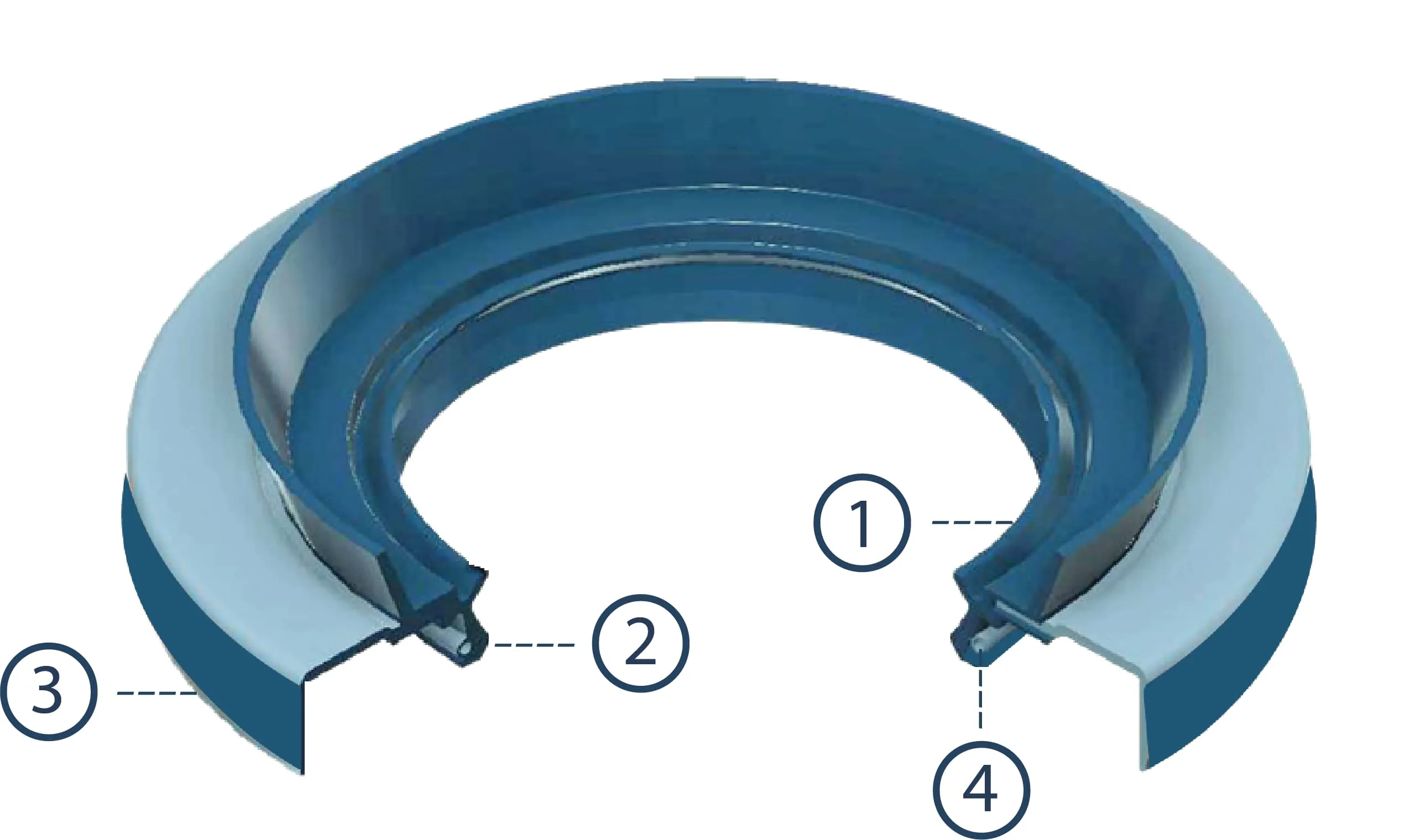
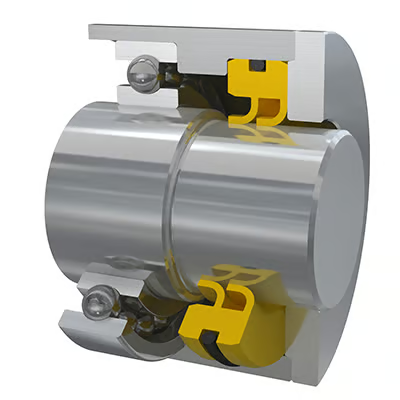
An oil seal closes the gap between a rotating shaft and its housing. Fitted around the shaft, it holds lubricating oil inside the bearing or gear chamber while blocking dust, water, mud and abrasive particles from the outside. That single function keeps bearings fed, shafts clean and machines running — which is why a small, inexpensive seal protects equipment worth many times its own price.
Oil seals are everywhere: under a car bonnet, inside a gearbox, on a tractor axle, behind a pump impeller, in a crusher drive and in thousands of other places where a shaft turns. Choosing the correct seal matters because the lip geometry, rubber compound and metal case are all matched to the application — a seal that survives a clean, slow pump can fail within weeks on a dusty, high-speed gearbox.
Ananta Venture is a Delhi-based manufacturer focused on industrial sealing. We make rubber oil seals for industrial, automotive, agricultural and heavy machinery applications, and help buyers — from a single workshop to a running plant — match the right seal to the right machine.
How a radial shaft seal actually protects a machine — and why the details decide how long it lasts.
A close-fitting sealing lip keeps the oil or grease film in the chamber. Bearings fail young when they run hungry; a healthy seal keeps them fed for their full service life.
The same lip that holds oil in also keeps dust, moisture and metal particles out. This matters most on farm, mine and construction machinery, where the environment is part of the load.
A radial shaft seal seals around the rotating shaft, not along it. Its lip rides a thin oil film on the shaft surface — the design intent is a controlled film, not a dry metal-to-rubber squeeze.
Higher speed and lip interference increase friction and heat. Lip profile, spring pressure and compound hardness are balanced so the seal holds fluid without dragging on the shaft.
Seals live in hot oil, weather, dust and vibration for years. Heat ageing resistance, oil swell behaviour and lip stability are what separate a seal that lasts a season from one that lasts several.
Diameter, bore and width must suit the housing. A loose outer fit lets the seal spin; an over-tight one distorts the lip. In sealing, a tenth of a millimetre is the difference between fitting and failing.
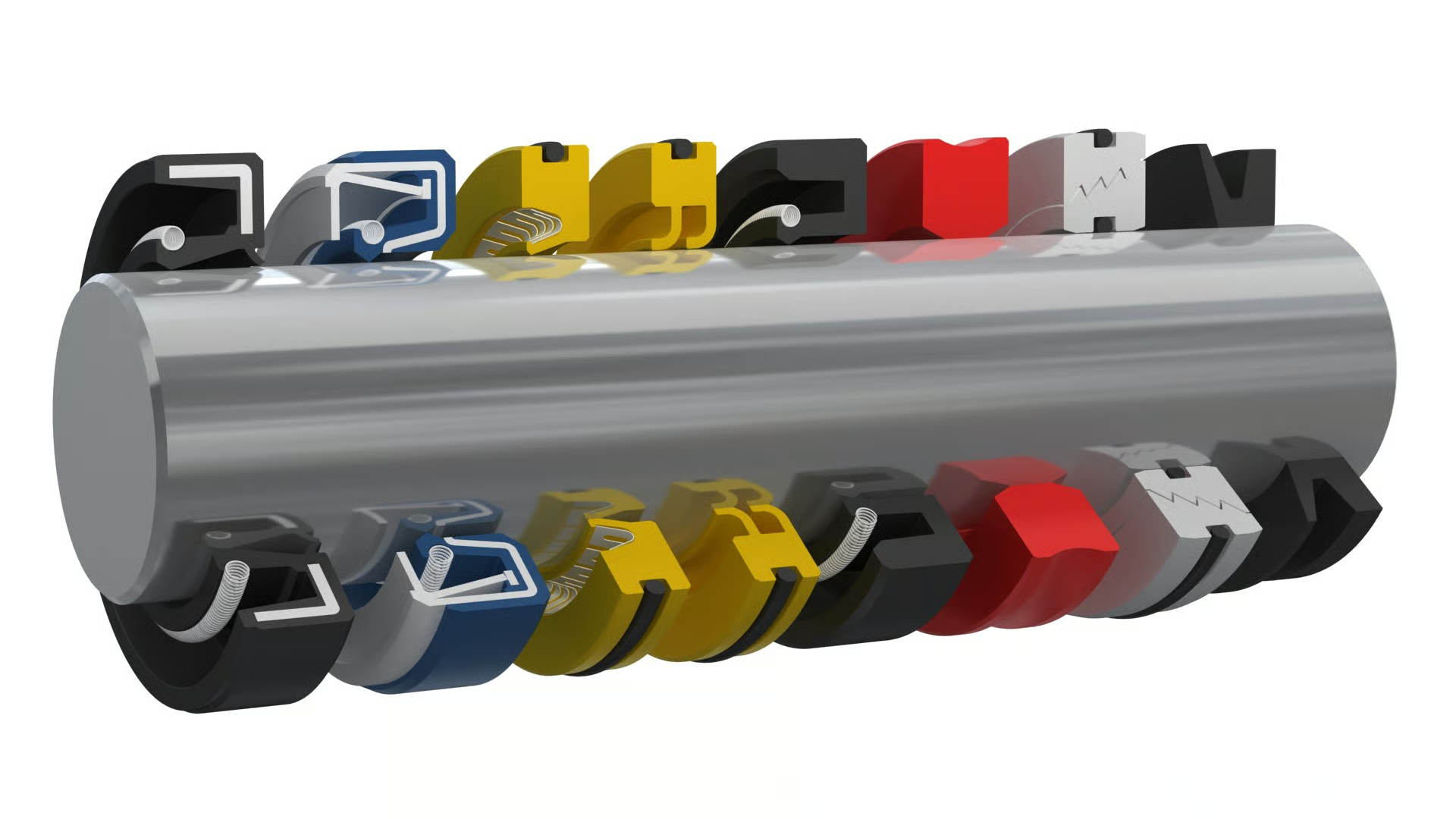
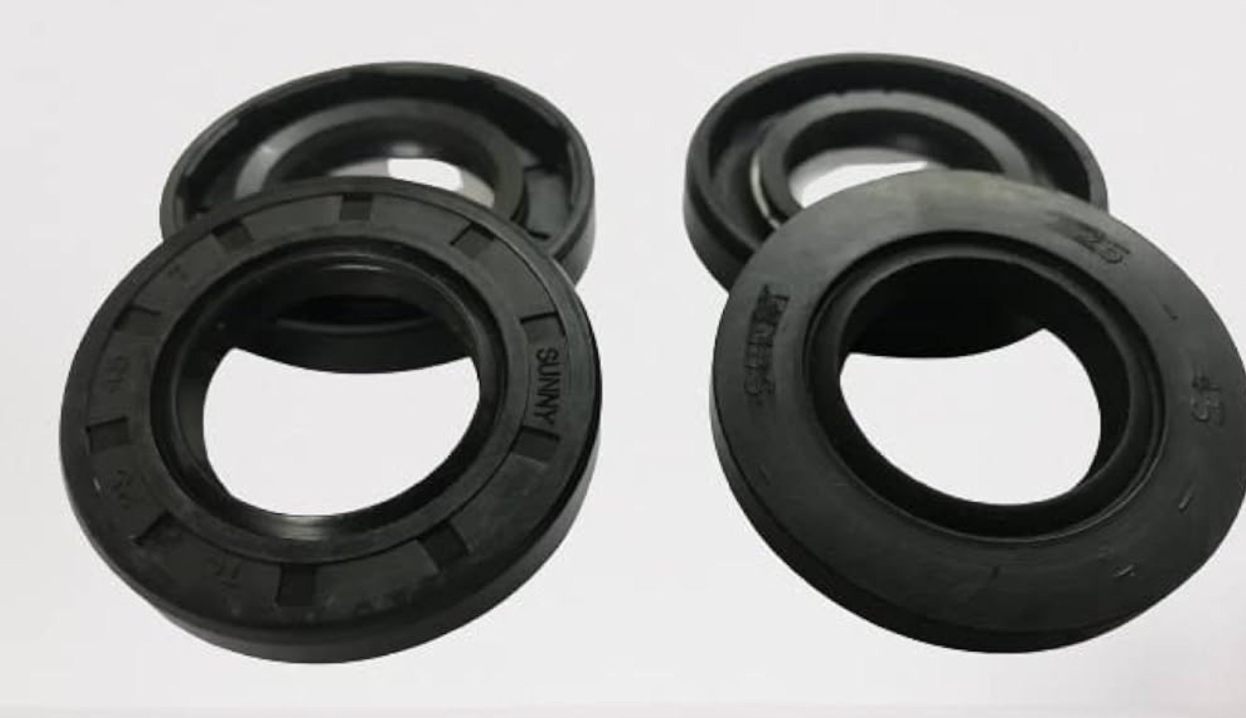
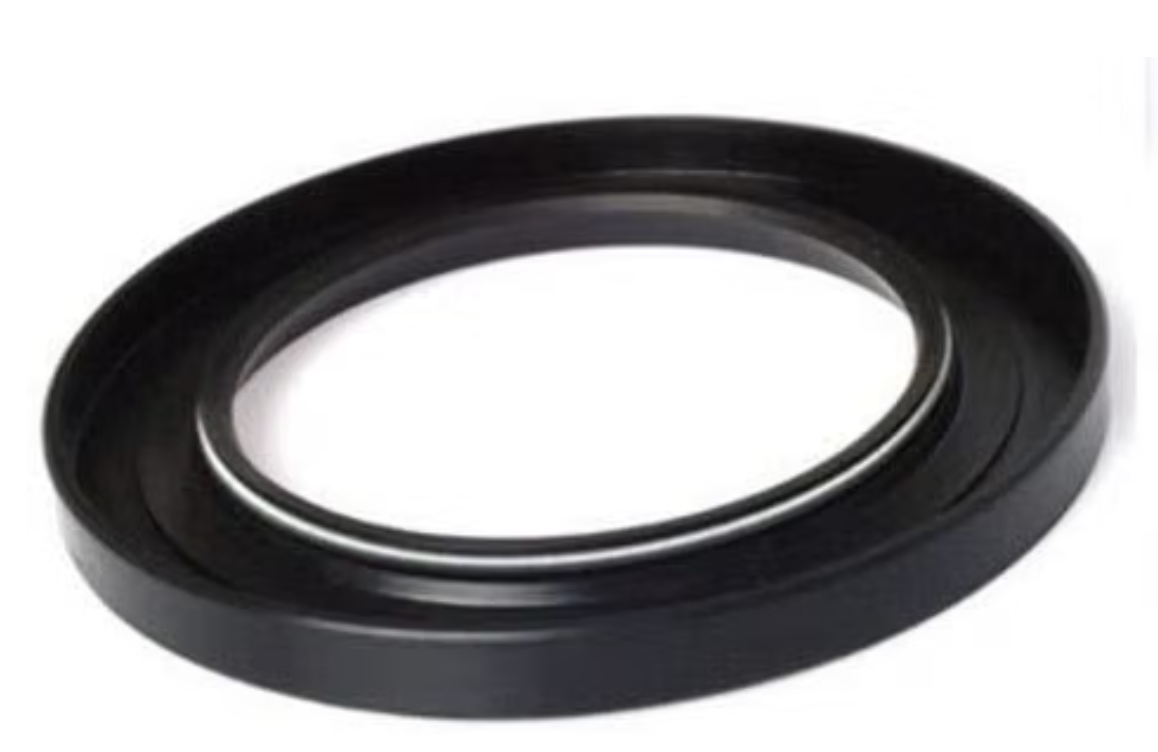
Different machines ask different things of a seal. These are the categories Ananta Venture manufactures and supplies, each selected and moulded with its working conditions in mind.
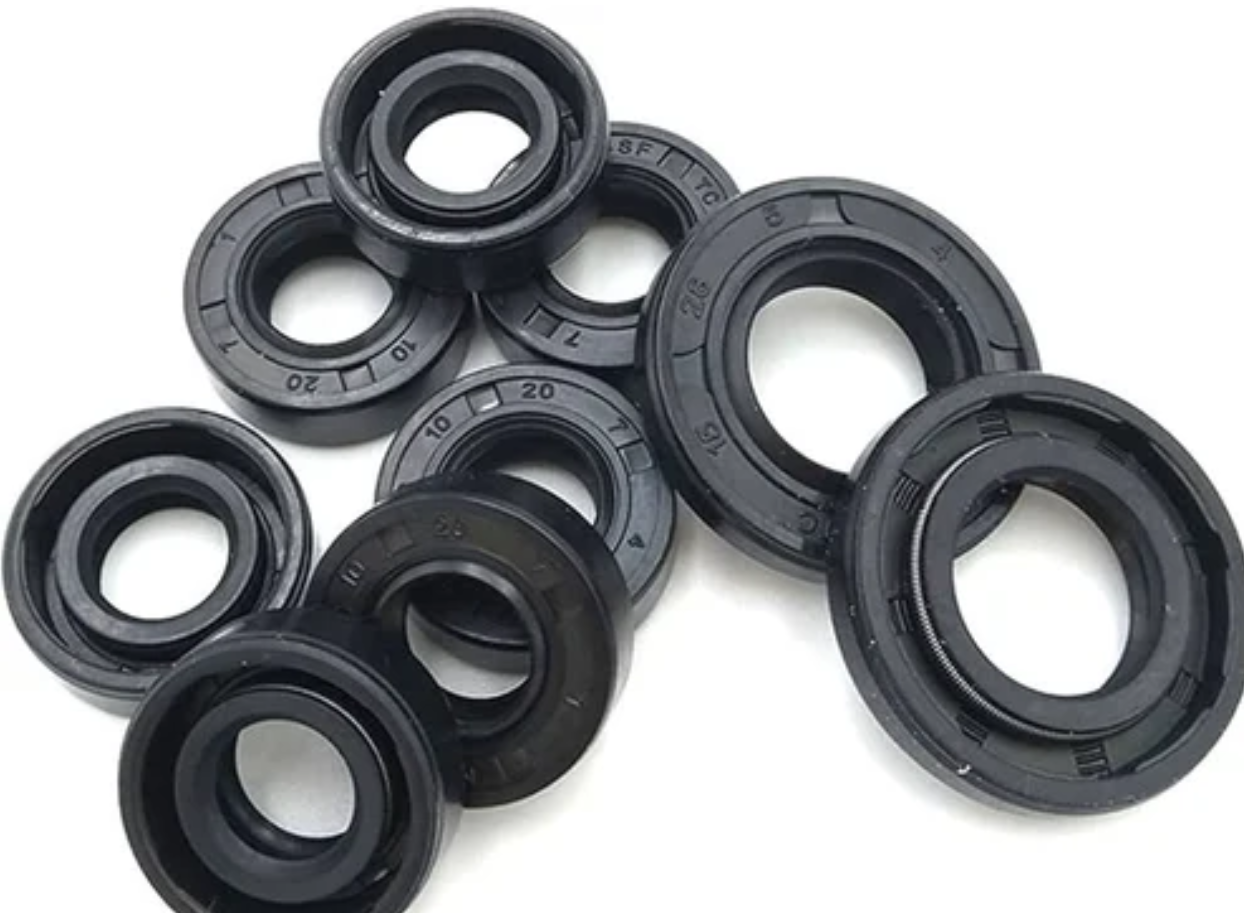
One sealing lip for holding lubricant in — suited to clean, indoor applications where outside contamination is not a major concern.
An extra lip rejects dust and moisture from the outside while the primary lip retains lubricant — useful in dirty or outdoor operating conditions.
A full rubber outer covering grips the housing bore and handles slight bore damage or corrosion better than a bare metal case. Available based on application requirements.
A pressed steel case gives the seal structural rigidity and a precise press fit into the housing bore, with the sealing done by the rubber lip and garter spring.
Built for continuous rotation on gearboxes, motors and rotating equipment, with lip profile and spring pressure chosen for the shaft speed and surface.
For construction and mining machinery where shock loads, dust and heat separate a real seal from a soft one. Tougher compounds and sturdier construction.
Seals for engines, gearboxes, axles and wheel hubs — the places where oil loss is noticed the hard way. Oil-resistant compounds for hot, demanding service.
Non-standard sizes, lip arrangements and compounds supplied to requirement. Share your dimensions, a drawing or a sample — availability is confirmed before production.
Sizes and lip designs vary by application. Oil seals are manufactured against requirement — share your shaft diameter, housing bore and width, or simply send the old seal, and our team will confirm what can be supplied. Standard and non-standard sizes can both be discussed.
The rubber compound decides how a seal behaves in heat, oil and weather. Here are the materials most commonly specified for oil seals — and the factors that decide which one suits your application.
The workhorse of oil sealing. Excellent resistance to mineral oils, greases and fuels, good tensile strength and a wide operating temperature range.
Where heat and aggressive fluids beat NBR, FKM holds up — higher continuous temperature ratings and excellent resistance to many industrial oils and chemicals.
Stays flexible at very low and high temperatures and suits some food-contact and general sealing duties, though its mechanical wear resistance is lower than other compounds.
Outstanding resistance to ozone, UV and weathering, and suited to water and steam applications where oil compatibility is not the deciding factor.
High abrasion resistance and toughness for dusty, gritty applications, with good load-carrying ability on rotating assemblies.
Other rubber types are sometimes chosen for specialist fluids, temperatures or regulations. Material selection is always discussed against the application — not picked from a chart.
Wherever a shaft turns inside a housing, an oil seal has a job to do.
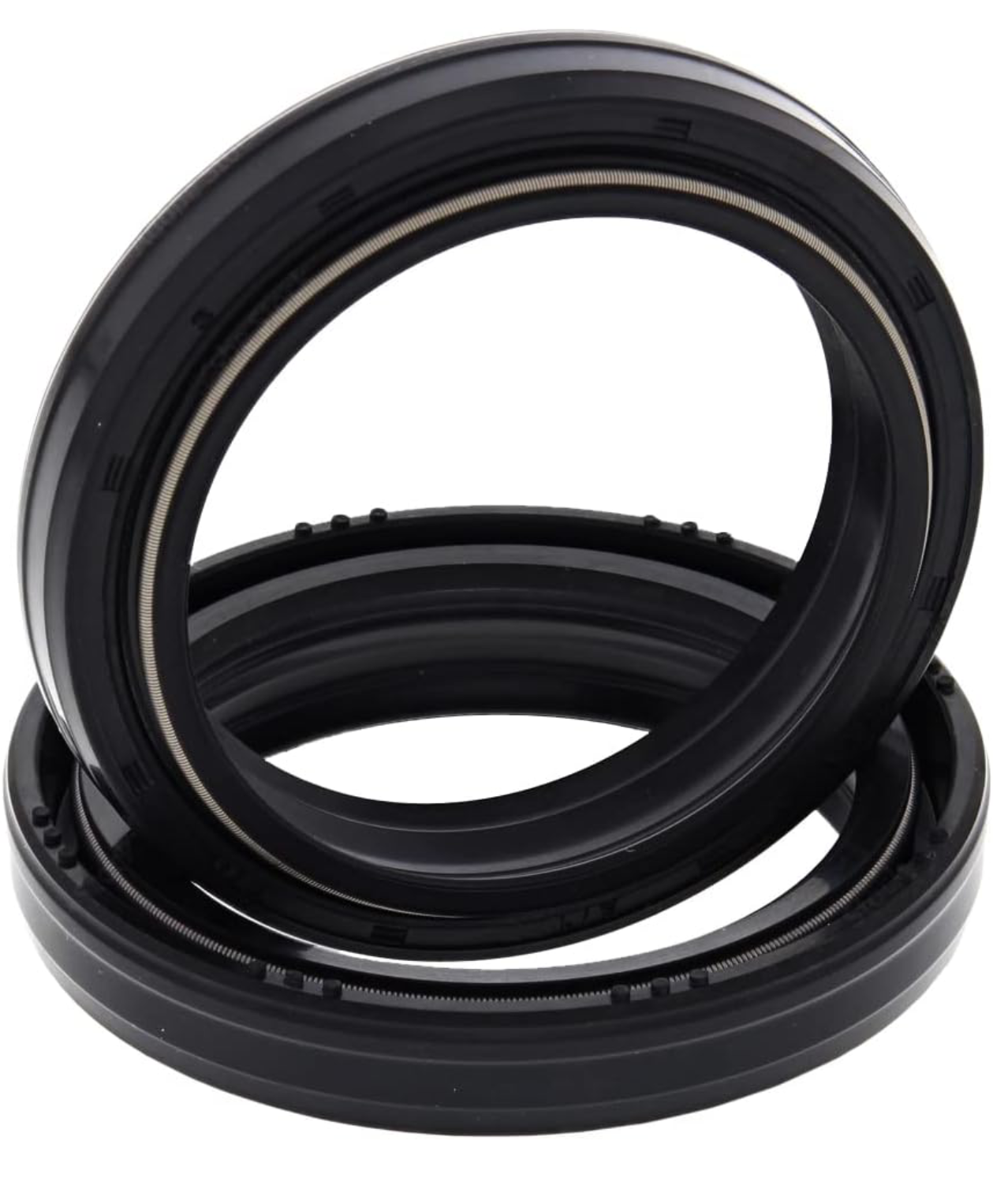
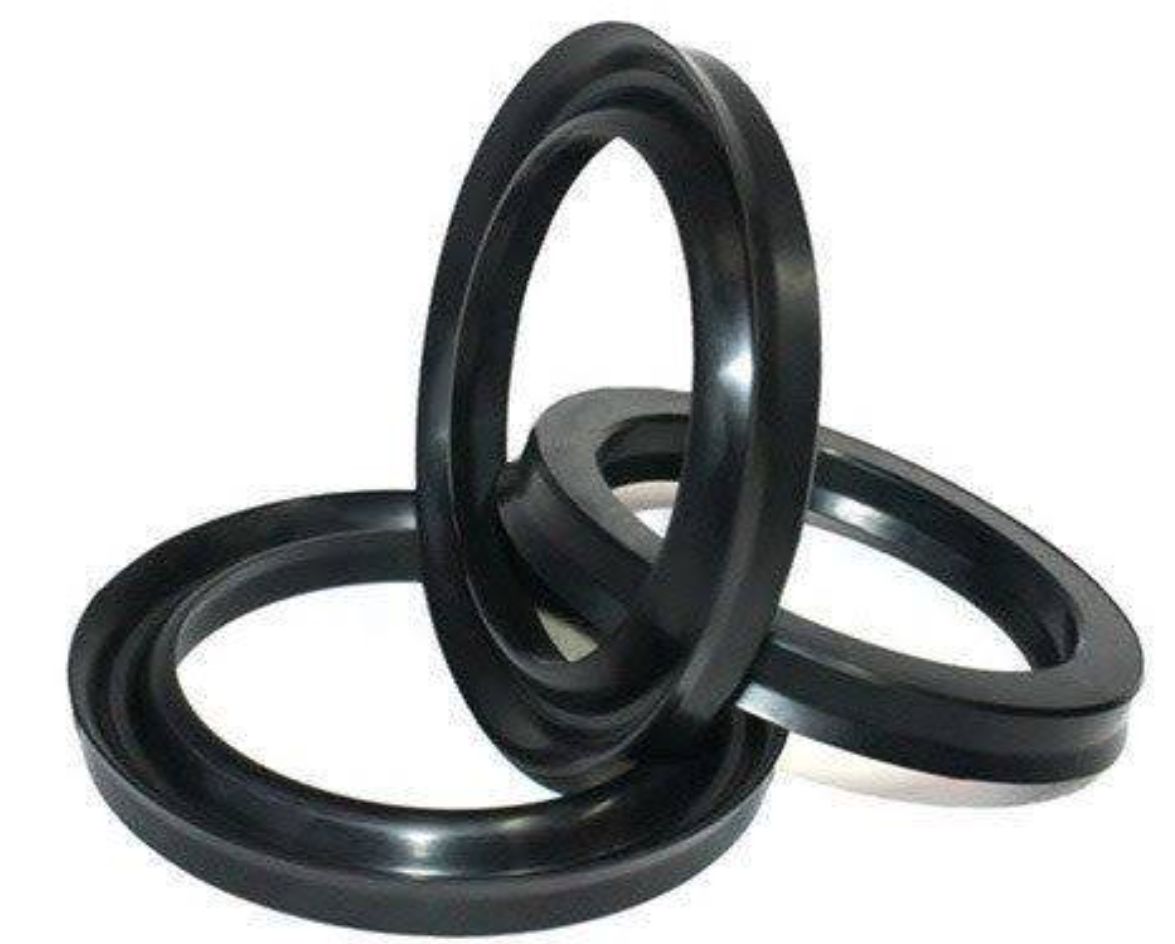
Sealing needs differ from industry to industry — so the right seal is chosen with the operating environment in mind.
Machines are not built from catalogue numbers alone. Where a standard seal does not fit the job, a custom design can be discussed and manufactured against your requirement.
Every custom seal project starts with the same questions. The answers shape the lip geometry, the compound and the case design:
Quality in this line of work is not a poster on the wall. It is a series of small, careful decisions made properly, batch after batch.
Oil-resistant rubber compounds chosen against the fluid, temperature and duty the seal will actually see — not picked from a generic stock list.
Shaft, bore and width held within tolerance so the seal fits the housing first time, every time. In sealing, consistency is reliability.
Finished pieces are examined for surface defects, clean lips, correct bonding and overall finish before they are packed for dispatch.
A seal is only as good as its fit. Diameters and lip geometry are checked against the agreed sizes so the part seats correctly in service.
A seal that survives a pump may not survive a stone crusher. We match the product to the environment, not just to the closest catalogue size.
Seals are packed to arrive in condition, kept clean and protected, and dispatched with the details needed to identify them later.
Ten factors decide whether a seal lasts one season or several. Check them before you order.
The outside diameter of the rotating shaft sets the seal's inner dimension. Measure with a caliper, not by eye — and check for wear grooves at the sealing point.
The housing bore and depth decide the seal's outer diameter and width. A loose outer fit lets the seal spin; an oversize one will not enter at all.
Faster rotation builds lip friction and heat. High-speed shafts need lip profiles and surface finishes matched to the rpm.
Engine bays and gearboxes run hot. Continuous temperature — not just peaks — decides which rubber compound will hold up.
Engine oil, gear oil, grease, water or hydraulic fluid each swell different rubbers differently. The seal material must suit the fluid it will live in.
Most seals are designed for little or no pressure difference. Where pressure exists — pump chambers, gear pumps — the seal design must account for it.
Indoor cleanliness and outdoor dust ask different things of a sealing lip. Describe the site honestly when you enquire.
Oil resistance, heat resistance and hardness vary across rubber compounds. Tell us the application and we will suggest a compound to match it.
Single or double lip, spring-loaded or not, rubber covered or metal cased — each design suits a different combination of oil, dust and duty.
A wheel hub, a mixer shaft and a crusher drive each seal differently. Say what the machine is — it is the fastest route to the right seal.
Not sure about a value? Send us the old seal, a photo of the housing, or simply the machine name — we will work the details out with you.
Each sealing component solves a different problem. Understanding the difference helps you order the right part the first time.
Radial seals for rotating shafts. They hold lubricant inside a housing and keep contamination out, sealing around a shaft that turns relative to the housing.
Circular rubber rings squeezed between two mating faces. Used mainly for static or reciprocating seals on flanges, fittings and cylinders — not designed to seal a continuously rotating shaft.
Precision face seals used where a rotating shaft must seal against high pressure and leakage must be minimal — typical in pumps moving water, chemicals and process fluids.
Seals for reciprocating motion in hydraulic cylinders — pistons, rods and glands that slide rather than rotate, holding hydraulic fluid under system pressure.
No one component is universally better — the right one depends on the motion, the pressure and the fluid. Ananta Venture focuses on oil seals and V belts; if your requirement clearly needs a different sealing component, we will tell you so.
No slogans — just the way we prefer to work with every buyer.
A machinery components manufacturer based at West Sant Nagar, Burari, Delhi — reachable, accountable, and close to the industrial belts of Delhi NCR.
We keep our focus deliberate: rubber oil seals that protect rotating shafts and V belts that move power reliably. Focus, not a general trader's catalogue.
We ask what the machine does, where it runs and what broke last time — then recommend from there, instead of selling whatever is on the shelf.
Both components under one roof for industrial, automotive, agricultural and heavy machinery requirements — one point of contact for both sides of the drive.
Shaft, bore, width, profile, length — we confirm the numbers before production or dispatch, because in seals a tenth of a millimetre matters.
Reachable on WhatsApp and phone during working hours, with replies that arrive in hours rather than days — and straight answers on sizes and materials.
Share your product requirement, dimensions, application details or sample requirements with our team. We confirm sizes and availability before production or dispatch — and we answer enquiries properly.
Short answers to the questions buyers ask most often about oil seals.
An oil seal closes the gap between a rotating shaft and its housing. It keeps lubricating oil inside the bearing or gear chamber, blocks dust, water and abrasive particles from entering, and protects the shaft and bearing from wear.
Common types include single lip and double lip seals, rubber covered and metal cased seals, industrial rotary shaft seals, automotive oil seals, heavy duty oil seals and custom oil seals. The right type depends on shaft speed, fluid, temperature and contamination level.
Start with the shaft diameter, housing bore and seal width. Then check operating temperature, the fluid being sealed, shaft speed, pressure and site contamination. Sharing the old seal, a housing photo or the machine name helps a manufacturer confirm the right match.
NBR (nitrile rubber) suits most mineral oils and greases, FKM (Viton) handles high temperatures and aggressive fluids, and silicone, EPDM or polyurethane are chosen for specific temperature, weather or wear requirements. Material is selected against the application.
Yes. Automotive oil seals are fitted in engines, gearboxes, axles and wheel hubs, where they hold engine oil or gear oil in place and keep road dust and moisture away from bearings and rotating components.
Yes. Industrial oil seals are widely used in gearboxes, pumps, motors, compressors and power transmission equipment to retain lubricant and exclude contamination on continuously running machinery.
Useful inputs are shaft diameter, housing bore and width, operating temperature, rotational speed, pressure, the fluid or lubricant, environmental conditions, and any drawing or sample. Application details such as the machine type also help the manufacturer confirm suitability.
Send your dimensions, application details or a sample to Ananta Venture by phone, WhatsApp or email, or use the enquiry form on this page. The team confirms sizes and availability before production or dispatch.
Correct sizing and fit, shaft surface condition, operating temperature, fluid compatibility, shaft speed, contamination exposure and installation care all affect service life. A seal matched to its actual working conditions lasts far longer than one chosen by size alone.
A single lip seal has one sealing lip that retains lubricant. A double lip seal adds a secondary lip that also keeps dust and moisture out from the external side, which is useful in dirty or outdoor environments.