Oil seal materials · Neoprene (CR)

Neoprene Oil Seals for weather-exposed duty with moderate oil contact

Neoprene oil seals are shaft and housing seals moulded from neoprene rubber — chloroprene rubber, usually abbreviated CR. The material combines reasonable oil and grease resistance with the weathering, ozone and sunlight resistance that ordinary nitrile lacks, which is why it earns a place on equipment that lives outdoors.

Ananta Venture supplies moulded rubber oil seals from Delhi. Share your dimensions, drawing or worn sample and we will help you confirm whether a neoprene compound suits your shaft, lubricant, temperature and speed.

+91 9211305366 Burari, Delhi Open Monday to Sunday
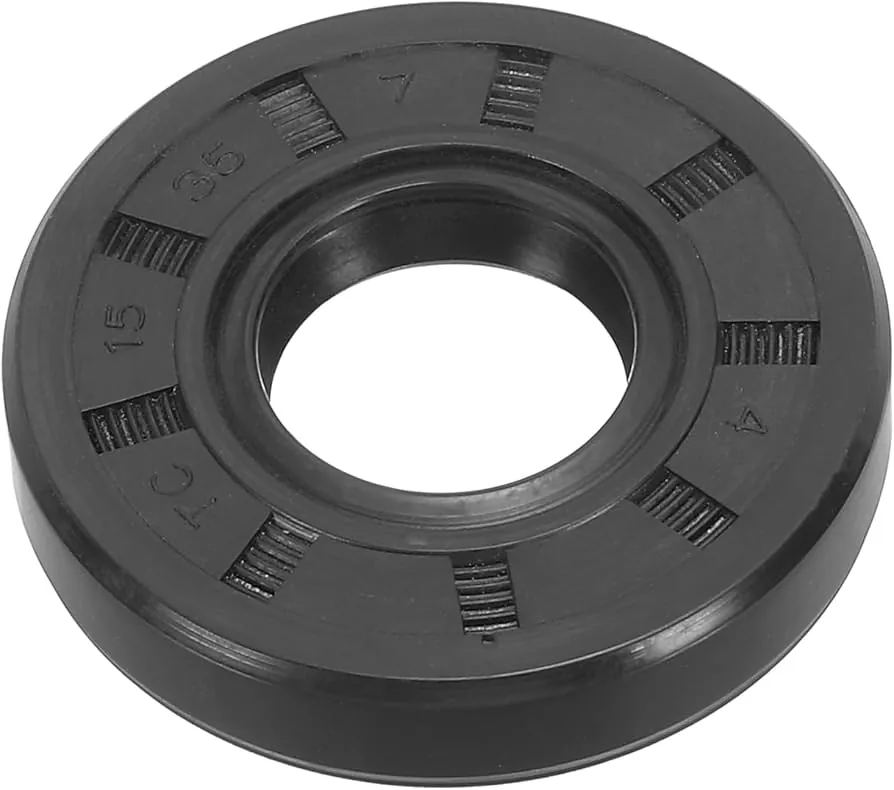
Representative oil seal Neoprene rubber oil seal from the Ananta Venture range
Neoprene is a compound, not a shape Single-lip shaft seals, double-lip seals with a dust lip and custom profiles can all be moulded in CR rubber — the design follows your shaft and housing.

Neoprene oil seals at a glance

Material
Neoprene (chloroprene rubber, CR)Polychloroprene synthetic rubber
Typical hardness
30–90 Shore A*Compound dependent
Indicative temperature
−40 °C to about +110 °C*Some grades differ — confirm datasheet
Often considered for
Weather-exposed, moderate-oil dutyOutdoor and general industrial shafts

*Typical published values for general-purpose neoprene compounds, shown for orientation only. The selected compound’s technical data sheet and your operating conditions govern the actual limits.

The material

What neoprene oil seals are — and what they are not

A neoprene oil seal is a sealing component moulded from neoprene rubber, a synthetic elastomer better known in technical documents as chloroprene rubber (CR). Fitted around a rotating shaft or into a housing bore, it retains lubricant, excludes dust, water and grit, and protects the bearing the shaft runs in.

What neoprene rubber contributes

Neoprene is a balanced engineering rubber rather than a specialist one. Its chlorine-bearing polymer structure limits swelling when the rubber meets hydrocarbon oils, greases and many water-based fluids, while its crystallising structure gives the compound good tensile strength, resilience and abrasion resistance for a general-purpose elastomer.

The same chemistry makes it notably durable outdoors. Where ordinary nitrile cracks under sunlight, ozone and weathering, neoprene resists them far better, and the compound also carries a useful degree of flame self-extinguishing behaviour. That combination — moderate oil resistance plus genuinely good weather resistance — is the reason a buyer reaches for CR instead of defaulting to nitrile.

A material is not a design

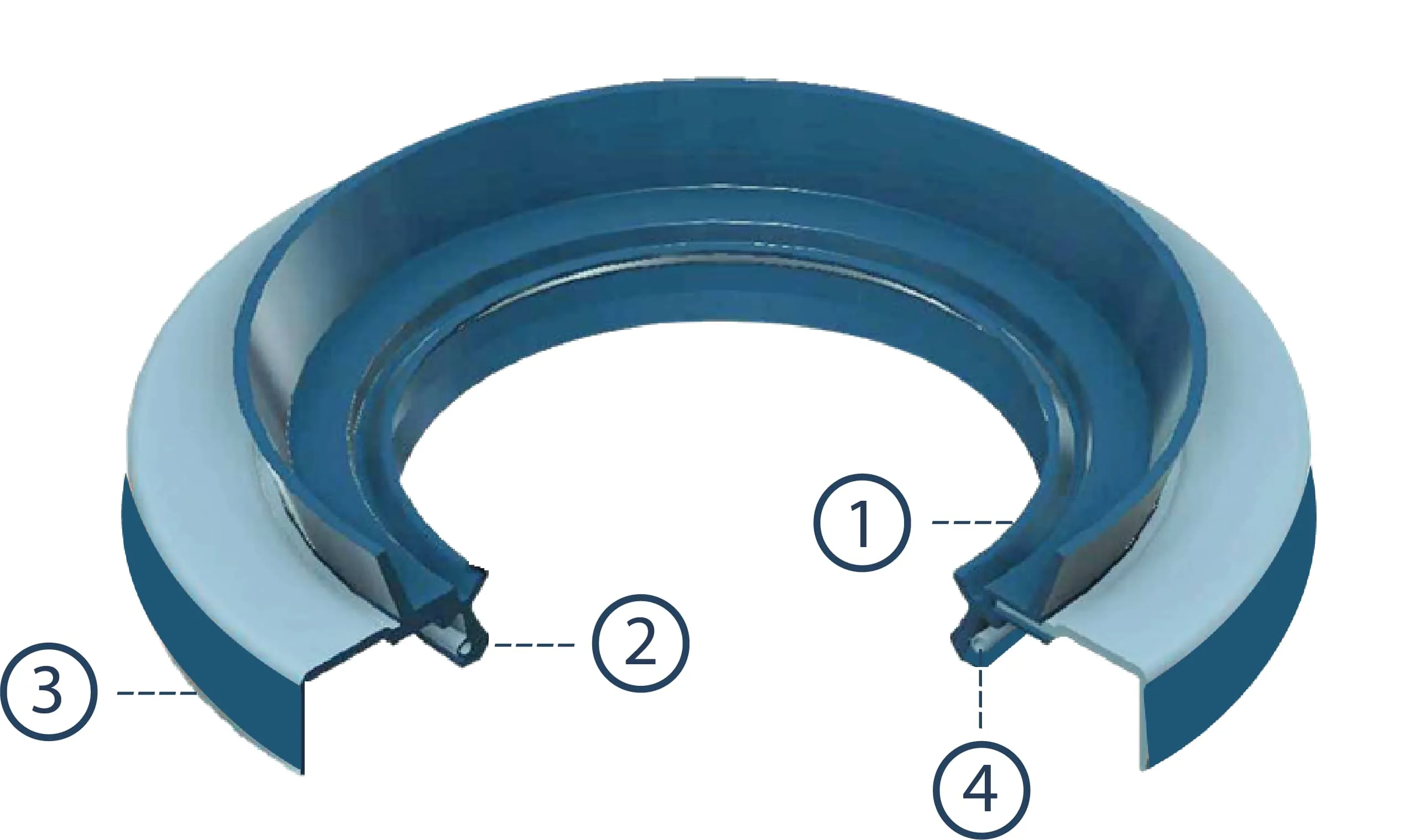
A rotary shaft oil seal is a system: an elastomeric lip, a metal or rubber case and usually a garter spring that holds lip pressure against the shaft. Neoprene can be the lip compound in such a seal, but the profile, spring and case still have to suit the application. Neoprene is also used in moulded rings and static sealing components where no rotating lip is involved at all.

That distinction matters when you enquire. A drawing or a sample tells us which configuration you need; the material name alone does not.

Why the choice of compound decides the outcome

Seals rarely fail because they were badly moulded. They fail because the compound met a fluid it could not tolerate or a temperature it was never chosen for. A neoprene seal asked to run continuously in hot engine oil will usually serve less well than a nitrile one; a nitrile seal bolted to outdoor equipment in monsoon sun will crack long before a neoprene equivalent. Both are good materials in the wrong place.

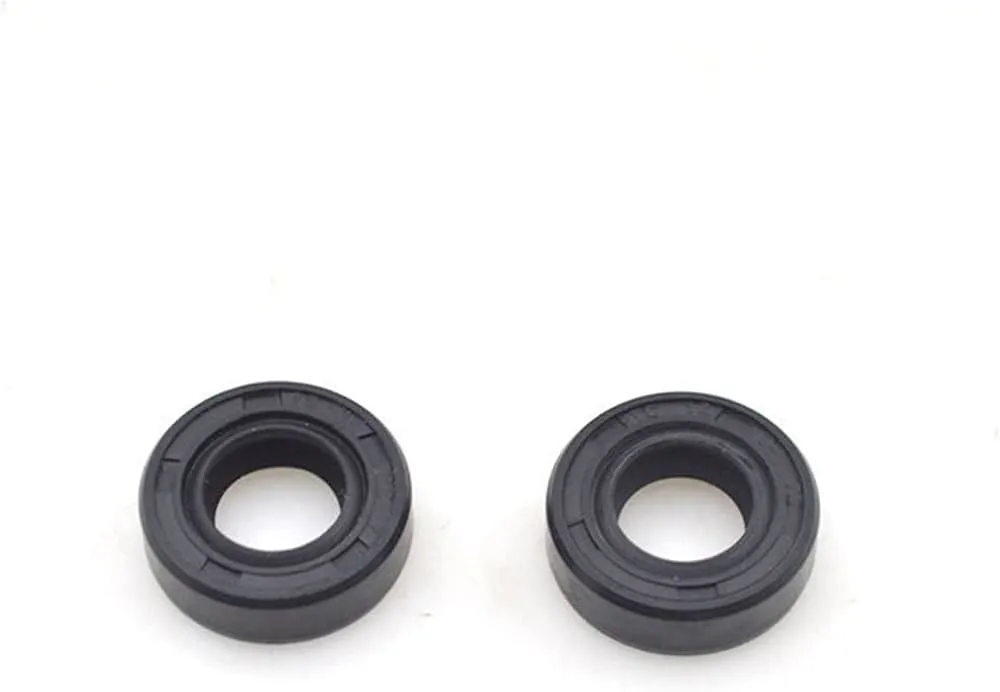
Industrial neoprene rubber oil seals of different sizes ready for assembly
Same shape, different compound. Two seals can look identical and behave completely differently in service. Material selection starts with the fluid, the temperature and the environment — not with the drawing.

Neoprene is worth evaluating when

  • The seal sits on outdoor, weather-exposed or humid plant where sun, ozone and rain age ordinary rubber quickly.
  • The fluid is lubricating oil or grease at moderate temperature, with splash or partial contact rather than sustained hot immersion.
  • The medium is water, a water-glycol mixture or a compatible water-based fluid instead of pure hydrocarbon oil.
  • Mechanical strength and abrasion resistance matter alongside sealing — CR is a tough, resilient general-purpose rubber.
  • Refrigeration or cold-storage equipment needs a compound that stays serviceable well below freezing.
  • A replacement seal must match the original part’s material rather than be “upgraded” blindly.

Look at another material first when

  • The seal runs continuously in hot mineral oil — NBR or HNBR usually holds lip contact better.
  • The seal is immersed in petrol, diesel or fuel blends — NBR or FKM is the usual starting point.
  • Aromatic or chlorinated solvents, ketones or esters are present — check an FKM compound instead.
  • Sustained temperatures run well above the +110 °C region — FKM or silicone covers hotter duty.
  • The medium is steam or hot water without oil — EPDM is generally the better matched rubber.
  • Maximum chemical resistance, not weather resistance, is the deciding requirement.

Practical caution: neoprene is not automatically suitable for every oil, fuel or fluid in a machine. A compound that swells or softens in service can leak worse than the worn seal it replaced. Confirm the selected compound against the actual fluid, temperature and speed before committing to a production quantity.

Properties

Key properties and realistic benefits

These are general characteristics of neoprene rubber compounds. How much of each you actually get depends on the formulation, cure, hardness, seal geometry and the conditions the seal meets in service.

Weathering, ozone and UV resistance

Outdoor exposure cracks many elastomers within seasons. Neoprene handles sunlight, ozone and general weathering far better than nitrile, which makes it a practical candidate for outdoor equipment, agricultural machinery and exposed plant.

Moderate oil and grease resistance

Neoprene’s chlorine chemistry limits swelling against many lubricating oils, greases and some refrigerant oils. It is a moderate resistance — useful for splash and intermittent contact, but not the equal of nitrile for continuous hot-oil immersion.

Mechanical strength and resilience

Neoprene strain-crystallises, which raises its tensile strength and tear resistance compared with many general-purpose rubbers. For a seal lip that is pressed, flexed and abraded in service, that resilience keeps contact pressure working for longer.

Water and weather-side performance

Beyond oils, CR tolerates water, many water-glycol mixtures, alcohols and salt-laden air better than hydrocarbon-focused compounds. That breadth helps where a seal sees washdown, rain and condensation as well as lubricant.

Flame self-extinguishing behaviour

Neoprene does not support combustion the way hydrocarbon rubbers do — it tends to char and self-extinguish. The property is inherited from the polymer itself and is occasionally the tie-breaker in fire-conscious installations.

Bonding and moulding versatility

CR bonds well to metal cases and fabric reinforcements and moulds into standard shaft-seal profiles as well as custom shapes. Hardness is commonly compounded anywhere across roughly the 30–90 Shore A band.

No universal guarantee: a property listed here is a starting point for discussion, not a performance promise. Formulation, curing, hardness, geometry and operating conditions all change the result, and the compound data sheet is the document that counts.

Fluid compatibility

Neoprene rubber oil resistance, explained honestly

“Is neoprene oil resistant?” is usually the first question a buyer asks — and the honest answer is “moderately, depending on the fluid and the temperature.” Here is what that means in practice.

Where neoprene holds up well

Neoprene copes reasonably with lubricating oils, greases and mineral-oil products at moderate temperatures, particularly where contact is splash, mist or intermittent rather than continuous hot immersion. Its chlorine-bearing structure limits the swelling many other general-purpose rubbers suffer in hydrocarbon oil. It also behaves well against water, seawater spray, many water-glycol fluids, alcohols and refrigerant media — a breadth nitrile does not match.

Where neoprene reaches its limits

Immersion in hot petroleum oil accelerates swelling and hardening; neoprene is simply not the strongest rubber for sustained hot-oil duty, which is why nitrile became the industry default for it. Aromatic fuels such as petrol and diesel cause moderate swelling — fuel splash on vent or housing areas is a different, milder duty than fuel immersion. Aromatic solvents, ketones, esters and chlorinated hydrocarbons are generally outside CR’s comfort zone, and elevated temperature makes every incompatibility worse.

How to check your own application

Identify the exact fluid — product name, base type and additives where possible — together with its temperature, and compare it against the compatibility data of the specific compound offered. “Oil” is not a specification: mineral, synthetic, ester-based and refrigeration oils behave differently with the same rubber. Where the duty is critical or the fluid is unusual, a short sample trial before volume supply is the sensible route.

Fluid compatibility varies by compound. Statements on this page describe general neoprene behaviour published in standard rubber references. They are not a substitute for the compatibility data sheet of the actual compound offered for your order.

Operating window

Neoprene oil seal temperature range

Rubber seals rarely fail at a single temperature — they fail where continuous heat, peaks and cycling add up. Understand the whole window before fixing a compound.

An indicative range, not a specification

General-purpose neoprene compounds are typically published with an indicative service range of about −40 °C to +110 °C, with some grades and brief excursions reaching roughly +120 °C. Treat that as an orientation band drawn from standard rubber references — not as a specification for every neoprene oil seal. The continuous limit of a particular compound can sit above or below it depending on formulation and cure, and the seal lip itself usually runs hotter than the surrounding oil because of friction.

What changes the real limit

Heat ageing gradually hardens neoprene and costs it elongation; sustained high temperature therefore shortens seal life even when nothing visibly “fails”. At the cold end, neoprene can stiffen gradually as the polymer crystallises — a formulation characteristic worth checking for refrigeration, cold storage or winter-outdoor duty. Shaft speed raises lip friction and heat; pressure, runout and fluid type all shift the window further. The compound data sheet for the material actually offered, read against your measured operating conditions, is the document that counts.

Confirm before ordering: actual suitability depends on the specific compound, fluid, pressure, shaft speed, dimensions, temperature and operating environment. Share your conditions with Ananta Venture and confirm the selected compound’s datasheet values before placing a production order.

Material comparison

Neoprene vs nitrile oil seals — and the other usual candidates

There is no best sealing rubber, only the material that matches your fluid, temperature, environment and motion. Neoprene and nitrile are the two buyers most often weigh against each other, so the comparison below starts there.

General comparison of common oil seal elastomers. Ranges are typical published values for general-purpose grades — specialty compounds can differ in both directions.
Material Typical temperature Oil & fuel compatibility Weather & ozone Often considered for Main limitation
Neoprene (CR) This page ≈ −40 °C to +110 °C Moderate — good with lubricating oils, grease and splash duty; weaker in hot-oil immersion, fuels and solvents Good Weather-exposed shafts, outdoor and agricultural plant, water-side duty, general replacement sealing Not the equal of NBR for sustained hot oil or fuel immersion; heat ageing stiffens the compound
NBR (nitrile) −40 °C to +120 °C Excellent with mineral oils, greases, hydraulic fluid and fuels Limited General oil sealing, hydraulic components, automotive shafts, hot-oil sumps Poor ozone and sunlight resistance; hardens with age outdoors
FKM (fluoroelastomer) −20 °C to +200 °C Excellent with oils, fuels and many chemicals Excellent High-temperature oil and fuel sealing, chemical duty Higher cost; poor with some esters, ketones and hot water/steam
EPDM −50 °C to +150 °C Poor with mineral oils; good with water, glycol and brake fluid Excellent Hot water, steam, outdoor seals, brake and cooling systems Swells badly in hydrocarbon oils and fuels

Figures are indicative ranges for orientation and will not match every grade. Confirm the actual limits, fluid compatibility and compression set on the data sheet of the compound offered, and test where the duty is severe or safety-related.

Neither material is universally superior. Nitrile (NBR) is often the right selection for petroleum-oil sealing because of its oil resistance, while neoprene may be considered where weather, ozone or water-side exposure attacks the seal from the outside. Final selection should weigh the fluid, temperature range, environment, shaft speed and cost together — the sensible move is to describe the duty and let the compound follow. For a deeper look at the nitrile side, see our NBR oil seals page.

Where they are used

Neoprene oil seal applications

Neoprene seals tend to be considered where weather, water or ozone exposure is the dominant stress and oil contact is moderate. These are the usual starting points — each one still needs the specific duty checked before a compound is fixed.

Outdoor and weather-exposed machinery

Conveyors, hoists, agitators and plant installed in the open, where sunlight, rain and ozone would crack a nitrile lip long before the neoprene equivalent gives up.

General industrial machinery

Gearboxes, motors, fans and line shafts running on mineral oil or grease at moderate temperature, where a balanced general-purpose compound is a cost-effective choice.

Agricultural equipment

Tractor and implement points exposed to dust, field moisture and seasonal sun. Weathering resistance plus a dust lip configuration suits the outdoor environment well.

Pumps and fluid handling

Water pumps and liquid-handling assemblies where the medium is water, a water-glycol mixture or a compatible lubricant rather than a hot hydrocarbon oil.

Refrigeration and cold-duty equipment

Compressors, cold stores and winter-outdoor plant where the compound must stay serviceable well below freezing — subject to checking the refrigerant and oil used.

Maintenance and replacement sealing

Replacement seals for machinery where the original part was specified in CR, or where repeated nitrile failures point to an environmental cause rather than an oil one.

These are potential application categories, not a list of supplied industries. Oil type, temperature, shaft speed, pressure, shaft finish and the selected compound must be considered before confirming suitability for any specific assembly.

Technical selection

Material properties and technical considerations

Nine factors decide whether a neoprene seal works. Most enquiries mention two or three of them; the rest are where seals quietly go wrong.

01

Operating temperature

Continuous temperature, peak excursions and cycle frequency matter more than a single maximum. Check the compound for both the hot and cold limit, and remember the lip often runs hotter than the oil.

02

Fluid compatibility

Identify the exact oil, grease, fuel or process fluid, including additives. “Oil” is not a specification — mineral, synthetic and water-based media behave very differently with the same rubber.

03

Hardness and compound choice

Neoprene compounds span a wide hardness band. Softer lip compounds seal with less radial force; harder ones resist wear and extrusion. The hardness must suit the shaft finish and the duty.

04

Seal configuration

Single-lip, double-lip with a dust lip, cased or all-rubber construction — the geometry is chosen for the contamination and pressure the assembly sees, not from the material name.

05

Shaft speed and surface finish

Speed, runout, bore alignment and shaft finish control lip friction, heat and wear. Above moderate surface speeds, both seal design and compound need closer review.

06

Pressure conditions

Standard rotary shaft seals are designed for little or no pressure difference. Where pressure exists — pump chambers, gear pumps — the seal design must account for it explicitly.

07

Dimensions and fit

Shaft diameter, housing bore and seal width decide the fit. A correct compound in the wrong size still leaks — measure with a caliper and confirm the numbers before ordering.

08

Environment and contamination

Dust, mud, rain, washdown and UV exposure age a seal from the outside. Describe the site honestly — it often decides the lip configuration more than the oil does.

09

Service life and maintenance

A seal designed to last a bearing’s life needs a different margin from one replaced at every service. Say which one you want, and the compound and design follow.

No numbers are quoted here as an Ananta Venture specification. Verified values must come from the technical data sheet of the compound you select, read against your measured operating conditions. Where the duty is critical, a sample trial before volume supply is the sensible route.

Configurations & customisation

Custom neoprene oil seals: configurations and what to send us

Rotary shaft seals in neoprene are commonly discussed as single-lip seals for clean, oil-side duty; double-lip seals with an auxiliary dust lip where grit and rain attack from outside; and custom dimensions or profiles matched to a drawing or a worn sample. Which configurations can be produced for your requirement depends on the drawing, quantity and tooling involved — feasibility is confirmed after review, not assumed.

Buyer checklist

  • Shaft diameter — measured at the sealing surface, checked for wear grooves.
  • Housing bore and width — the bore size and housing depth set the outer fit.
  • Seal width or cross-section — with tolerances where the housing is tight.
  • Profile or drawing — a dimensioned drawing, PDF or a clear photograph with a scale.
  • Lip design — single lip, double lip with dust lip, or per the original part.
  • Hardness — Shore A if specified, or the assembly force available.
  • Fluid and temperature — the exact medium, plus continuous and peak temperatures.
  • Shaft speed and pressure — rpm at the sealing surface, and any pressure difference.
  • Environment — outdoor exposure, dust, washdown, seasonal storage.
  • Quantity and usage — trial quantity, order size and expected annual demand.

On custom work: the configurations above describe general design possibilities. Whether a specific profile is available in neoprene from Ananta Venture depends on the drawing, quantity and tooling, and is confirmed with you after the requirement is reviewed — dimensions, feasibility and options come before any commitment.

Commercial

Factors affecting neoprene oil seal price

No honest price list fits every seal, because the same outer dimension can be a stock part or a tooled special. These are the variables that move a quotation.

Seal dimensions

Shaft diameter, bore and width place the part in a size range; large or uncommon diameters cost more than popular stock sizes.

Compound and specification

The neoprene grade, hardness and any specification the compound must meet influence both material cost and processing.

Design and lip configuration

A single-lip seal, a double-lip seal with a dust lip and a non-standard profile are progressively more involved to mould and finish.

Custom tooling

Sizes or profiles outside existing tooling need moulds, which adds a setup component that depends on the design and quantity.

Order quantity

Trial quantities and running orders are costed differently. Annual usage helps us quote realistically rather than cautiously.

Inspection and packaging

Additional inspection, identification or packaging requirements — beyond standard practice — are priced separately.

Delivery and commercial terms

Destination, freight and payment terms complete the quotation, so mention them early to avoid surprises later.

No prices are published on this page. Share your dimensions, drawings, application details and quantity requirement, and Ananta Venture will come back with an accurate quotation — including an honest view on whether neoprene is the right compound for the duty.

The supplier

Why buyers speak to Ananta Venture?

Ananta Venture is a Delhi-based manufacturer of rubber oil seals and V belts for industrial, automotive, agricultural and heavy machinery applications. The useful part of that for a neoprene enquiry is simple: the person answering understands the part, not just the part number.

  • A manufacturer, not only a trader

    Oil seals are made in-house in Delhi, so dimensional questions can be answered by the people who produce the part.

  • Sizes matched to your housing

    Seals are supplied in sizes matched to the shaft, housing and application, rather than pushed from a fixed catalogue list.

  • Help matching compound to machine

    If you are unsure whether the duty calls for neoprene, nitrile or something else, describe the machine and the material question is worked through with you.

  • A direct line for technical enquiries

    Phone, WhatsApp and email reach the same team, so a dimensional query does not disappear into a web form.

  • Oil seals and V belts from one supplier

    Two of the parts that wear out together on the same machine can be enquired about together, which simplifies procurement.

Neoprene availability, compound choice and production feasibility are confirmed against your specification — no certification, capacity or lead-time claim is made on this page.

Heavy duty oil seals for industrial machinery manufactured by Ananta Venture
Sealing is a matching exercise. The right compound in the right groove lasts; either one wrong and the machine tells you quickly.

Buyer questions

Frequently asked questions

Short, direct answers to the questions that come up most often on neoprene oil seal enquiries. Full technical answers depend on the compound offered and the conditions it will meet.

What are neoprene oil seals?

Neoprene oil seals are rotary shaft or static seals moulded from neoprene rubber, a synthetic elastomer also known as chloroprene rubber (CR). The seal closes the gap around a shaft or joint so lubricant stays in the housing and dust, water and air-borne grit stay out. Neoprene is usually chosen when a seal needs good weathering and ozone resistance along with moderate oil contact, rather than maximum oil resistance.

What are neoprene oil seals used for?

They are considered for rotating shafts on general industrial machinery, pumps and outdoor equipment where the seal sees lubricating oil or grease at moderate temperatures, plus sunlight, rain or ozone exposure. Typical examples include weather-exposed gearboxes, agricultural machinery, water-handling equipment and general replacement sealing. The fluid, temperature and shaft speed must always be checked before confirming a compound.

What is the temperature range of neoprene oil seals?

General-purpose neoprene compounds are typically published with an indicative service range of about −40 °C to +110 °C, with some grades and brief excursions reaching roughly +120 °C. There is no universal figure: the real limit depends on the compound, the fluid, the shaft speed and how long the seal runs hot, so the manufacturer’s data sheet for the selected compound must be confirmed before selection.

How resistant is neoprene rubber to oil?

Neoprene offers moderate oil resistance. It holds up reasonably well against lubricating oils, greases and occasional oil splash at moderate temperatures, and its chlorine chemistry limits swelling in many hydrocarbon oils. It is weaker than nitrile (NBR) for continuous hot-oil immersion and is generally not suitable for petrol, diesel immersion or aromatic solvents. Compatibility always depends on the exact fluid, temperature and duration.

What is the difference between neoprene and nitrile oil seals?

Nitrile (NBR) is the standard choice for petroleum-oil and grease sealing and tolerates continuous immersion better, roughly −40 °C to +120 °C on typical grades. Neoprene (CR) resists weathering, ozone and sunlight much better and brings useful mechanical strength and flame self-extinguishing behaviour, but its oil and fuel resistance is moderate rather than excellent. In practice NBR is selected for hot, oil-heavy duty, while neoprene is considered where the environment attacks the seal from the outside.

What factors affect neoprene oil seal price?

Price usually follows the seal dimensions, the compound specification and hardness, the lip and case design, whether custom tooling is needed, the order quantity, and any inspection or packaging requirements. No general price list is published on this page because these variables change the cost significantly — share your dimensions, application details and quantity to receive an accurate quotation.

Can neoprene oil seals be made in custom sizes?

Size and configuration requirements can be discussed with Ananta Venture against your drawing, a worn sample or the measured shaft and housing dimensions. Custom work depends on the profile, quantity and tooling involved, so feasibility is confirmed after your requirement is reviewed rather than assumed.

What information is needed to select the right neoprene oil seal?

The most useful details are the shaft diameter, housing bore and seal width, the fluid being sealed, the continuous and peak temperatures, shaft speed, whether the joint is static or rotating, dust or weather exposure, and the quantity required. A drawing, a photo or the worn original seal speeds the discussion up, and the compound is confirmed against those operating conditions.

Next step

Looking for the right neoprene oil seal for your application?

Send the dimensions, the drawing or the old part, and tell us what the seal has to live with — fluid, temperature, weather exposure, speed and quantity. We will come back with the options that fit, or tell you honestly if a different compound is the better answer.

There is no enquiry form on this page to leave your details in. A call, a WhatsApp message or an email reaches the same team and gets an answer faster.

No prices are published on this page. Quotations depend on size, compound, quantity and tooling, and are confirmed after your requirement is reviewed.